No industry tests materials harder than chemical processing. Plants handle strong acids, caustic alkalis, oxidizing salts, chlorinated solvents and high-temperature reactive media—often simultaneously. Carbon steel fails in months; standard 316L stainless steel degrades in years; only nickel-based alloys deliver the 10–30+ year service life that process equipment requires.
But not all nickel alloys are suitable for every chemical. Using the wrong grade in the wrong process can result in rapid corrosion, product contamination and safety hazards. This guide maps the most common chemical process environments to the optimal nickel alloy solutions.
Strong reducing acids (hydrochloric, sulfuric, hydrobromic)
Reducing acids like hot, concentrated hydrochloric acid are among the most destructive environments for metallic materials. Stainless steels and even many nickel alloys corrode rapidly here.
Recommended alloys:
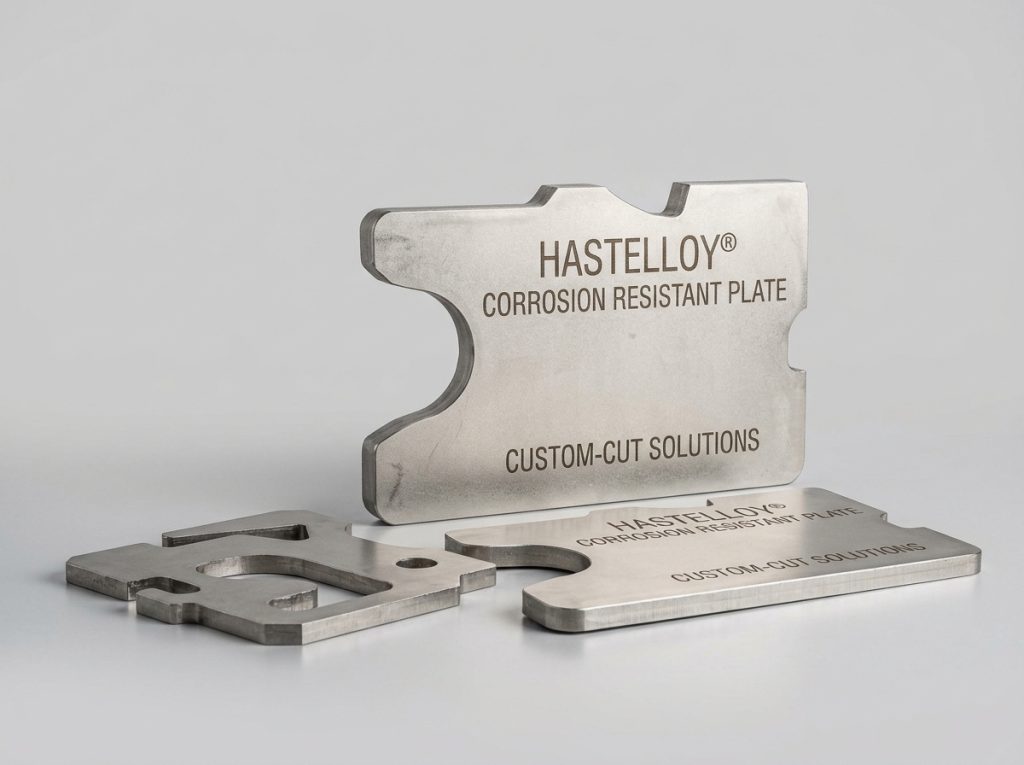
- Hastelloy B-2 / B-3: The gold standard for hydrochloric acid service across all concentrations and temperatures. B-3 offers improved thermal stability over B-2 for better fabricability.
- Hastelloy C276: Good choice for mixed reducing/oxidizing conditions where pure B-series is not required.
- Typical uses: acid reactors, storage tanks, piping, pumps and acid regeneration systems.
Strong oxidizing acids (nitric, chromic, ferric chloride)
Oxidizing acids require high chromium content to form and maintain a stable passive oxide layer.
Recommended alloys:
- Hastelloy C-22: Higher chromium than C276 for superior resistance to oxidizing acids and mixed chemistries.
- Hastelloy G-30: Optimized for nitric acid and mixed nitric/hydrofluoric acid environments common in metal pickling and fertilizer production.
- Typical uses: pickling line equipment, pharmaceutical reactors, waste incineration components.
Mixed and complex chemical environments
Many processes alternate between oxidizing and reducing conditions, or involve complex mixtures of acids, salts and impurities. A grade that performs well in one condition may fail rapidly in another.
Recommended alloys:
- Hastelloy C276: The most versatile general-purpose severe corrosion alloy, with acceptable performance across both oxidizing and reducing media.
- Hastelloy C2000: Copper addition extends resistance to sulfuric and hydrochloric acid for broader chemical compatibility.
- Typical uses: multi-purpose batch reactors, waste treatment systems, fine chemical production.
Strong caustic alkalis (sodium hydroxide, potassium hydroxide)
Concentrated hot caustic soda destroys stainless steel and most nickel-chromium alloys because chromium dissolves in hot alkaline solutions.
Recommended alloys:
- Nickel 200 / Nickel 201: Commercially pure nickel is the undisputed best material for caustic service at all concentrations up to and including molten caustic.
- Typical uses: caustic evaporators, membrane cell components, piping and storage tanks for chlor-alkali production.
Halogen and salt-rich environments (chlorides, brines, seawater)
Chloride ions cause pitting, crevice corrosion and stress corrosion cracking (SCC) in stainless steels even at low concentrations.
Recommended alloys:
- Monel 400: Best for neutral and alkaline salt solutions, seawater and brines at moderate temperatures.
- Hastelloy C276 / C22: Required for hot, high-chloride and acidic brine environments where Monel reaches its limits.
- Typical uses: brine heaters, desalination heat exchangers, salt production equipment.
High-temperature process environments
Many chemical processes combine corrosion with elevated temperatures, requiring both creep strength and corrosion resistance.
Recommended alloys:
- Inconel 625: Excellent high-temperature strength combined with good corrosion resistance for process vessels and piping operating up to ~980°C.
- Incoloy 800H/HT: Cost-effective option for moderate-temperature heat exchangers and furnace tubes.
- Typical uses: reformer tubes, heat exchangers, high-temperature reactor components.
The right alloy for every process
There is no universal “best” nickel alloy—only the best alloy for your specific process chemistry, temperature, pressure and cost targets. Getting it right extends equipment life, reduces maintenance and improves plant safety.
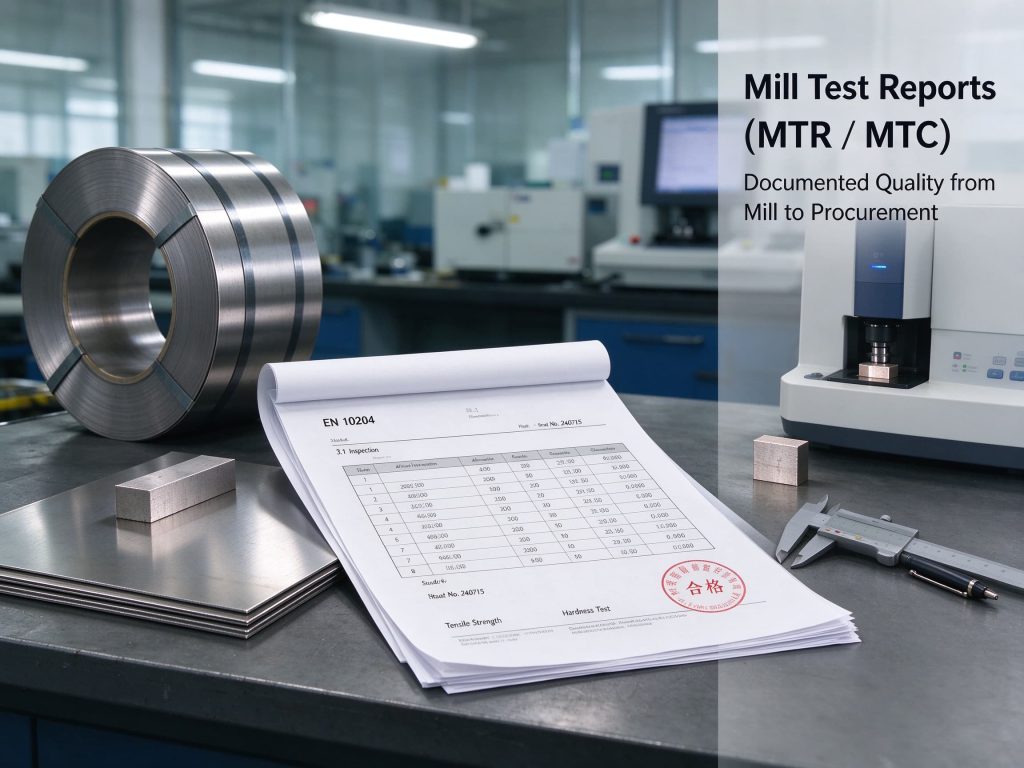
Detect Metals supplies all major nickel alloy grades used in chemical processing, available in plate, sheet, bar, seamless tube and pipe with full mill test certification and custom cutting services. To explore our full chemical processing grade lineup, visit our Nickel Alloy or contact our technical team for application-specific grade recommendations.