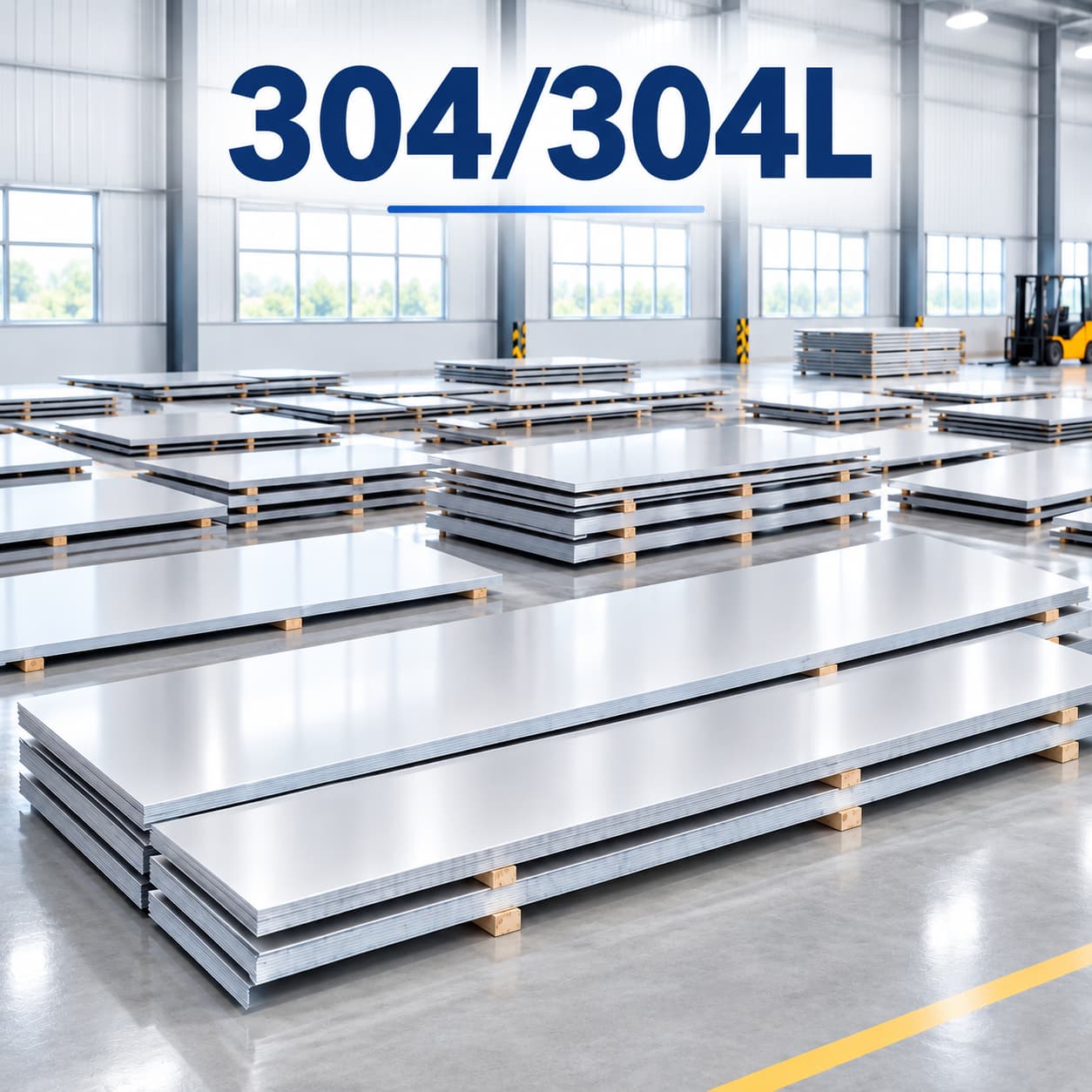
Grade: 304/304L
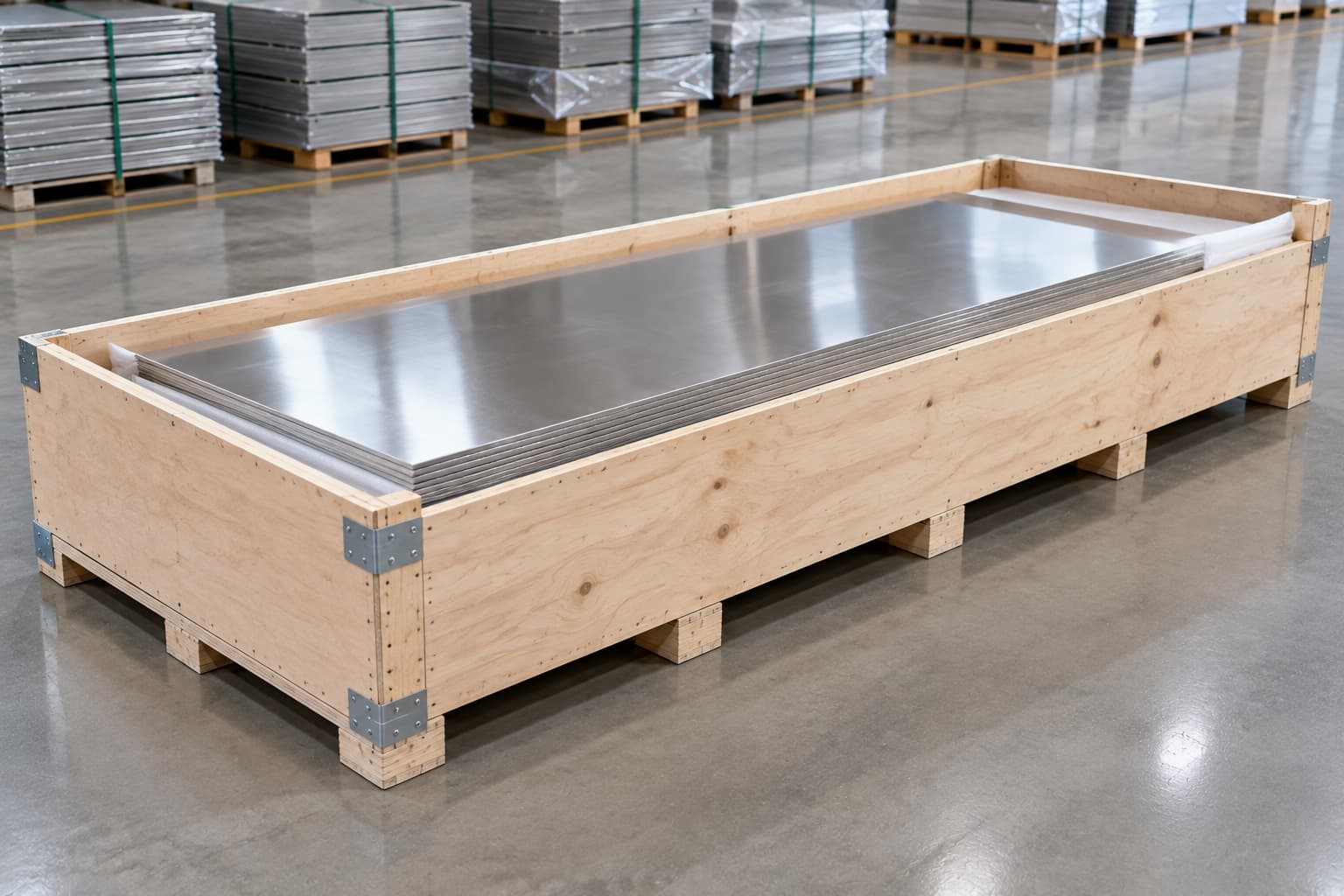
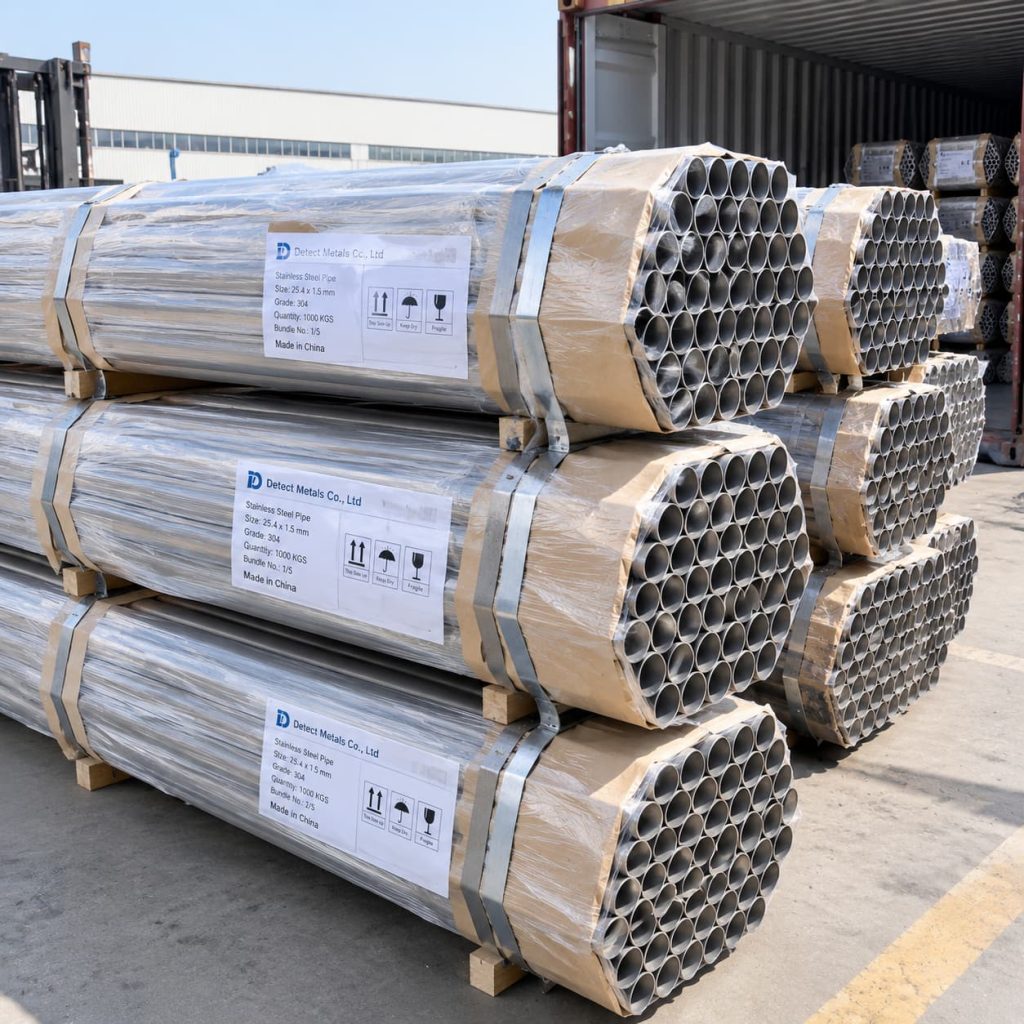
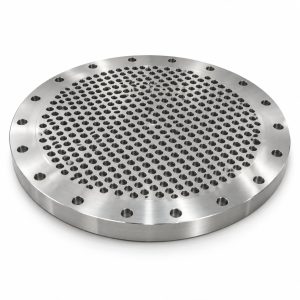
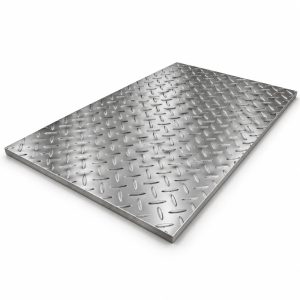
304 and 304L ASTM A240 stainless steel plate is a standard 18-8 material – meaning it contains 18% chromium and 8% nickel. 304 Stainless steel plate is one of the most versatile stainless steel materials available. It has excellent forming and welding characteristics. Grades 304 and 304L stainless steel plate is dominant in the manufacture of stainless steel fabrications. 304 stainless steel plate can be braked formed into a variety of components for applications in the industrial, architectural, and transportation sectors. 304L is the low carbon version of 304.
| Chemical composition | 304 (UNS S30400/ EN1.4301) | 304L (UNS S30403/EN 1.4307) |
| Carbon, Max% | 0.07 | 0.03 |
| Manganese, Max% | 2 | 2 |
| Phosphorus, Max% | 0.045 | 0.045 |
| Sulphur, Max% | 0.03 | 0.03 |
| Silicon, Max% | 0.75 | 0.75 |
| Chromium Range% | 17.5-19.5 | 17.5-19.5 |
| Nickel Range% | 8.0-10.5 | 8.0-12.0 |
| Nitrogen, Max% | 0.1 | 0.1 |
| Mechanical Properties | 304 | 304L |
| Tensile Min | 75 ksi | 70 ksi |
| Yield Min | 30 ksi | 25 ksi |
| Elongation Min | 40% | 40% |
| Hardness Max | 92 HRB | 92 HRB |
It is useful where sanitation and cleanliness are important. Non-magnetic in the annealed condition. Hardness and tensile strength can be increased by cold working, but modified by lowered carbon content, providing good resistance to corrosion in welded construction where subsequent heat treatment is not practical. Common uses of Stainless Steel Plate 304/304L include:
- Architectural Paneling
- Bolts
- Cutlery & Flatware
- Food & Pharmaceutical Production Equipment
- Nuts
- Sanitary Ware & Troughs
- Saucepans
- Screws
- Sinks & Splash Backs
- Springs
- Heat exchangers
- Conveyors
- Architectural
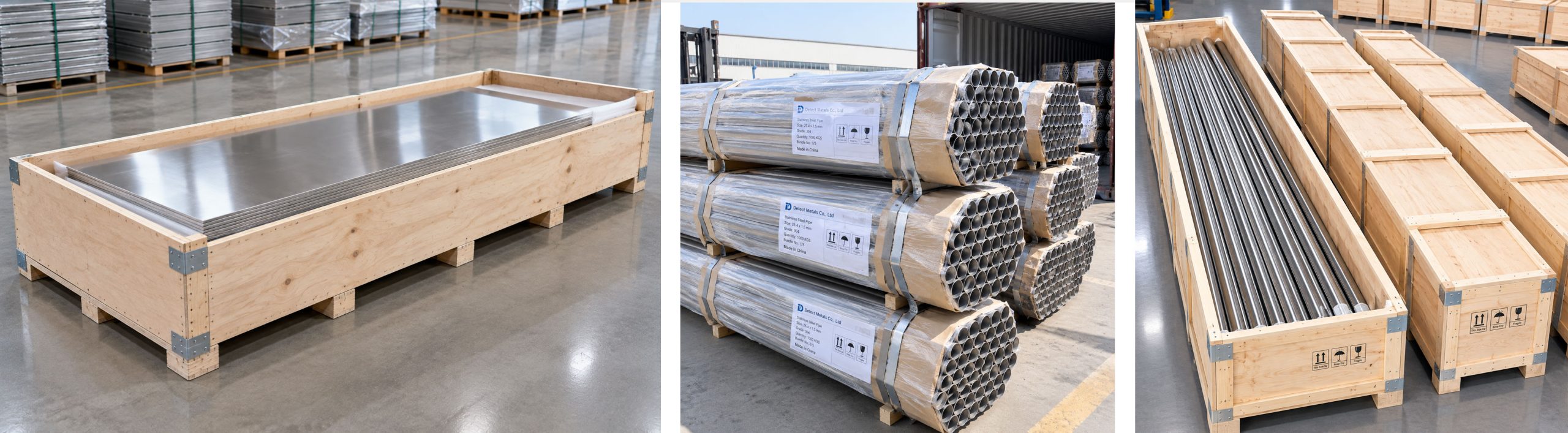
304 and 304L ASTM A240 stainless steel plate is a standard 18-8 material – meaning it contains 18% chromium and 8% nickel. 304 Stainless steel plate is one of the most versatile stainless steel materials available. It has excellent forming and welding characteristics. Grades 304 and 304L stainless steel plate is dominant in the manufacture of stainless steel fabrications. 304 stainless steel plate can be braked formed into a variety of components for applications in the industrial, architectural, and transportation sectors. 304L is the low carbon version of 304.
| Chemical composition | 304 (UNS S30400/ EN1.4301) | 304L (UNS S30403/EN 1.4307) |
| Carbon, Max% | 0.07 | 0.03 |
| Manganese, Max% | 2 | 2 |
| Phosphorus, Max% | 0.045 | 0.045 |
| Sulphur, Max% | 0.03 | 0.03 |
| Silicon, Max% | 0.75 | 0.75 |
| Chromium Range% | 17.5-19.5 | 17.5-19.5 |
| Nickel Range% | 8.0-10.5 | 8.0-12.0 |
| Nitrogen, Max% | 0.1 | 0.1 |
| Mechanical Properties | 304 | 304L |
| Tensile Min | 75 ksi | 70 ksi |
| Yield Min | 30 ksi | 25 ksi |
| Elongation Min | 40% | 40% |
| Hardness Max | 92 HRB | 92 HRB |
It is useful where sanitation and cleanliness are important. Non-magnetic in the annealed condition. Hardness and tensile strength can be increased by cold working, but modified by lowered carbon content, providing good resistance to corrosion in welded construction where subsequent heat treatment is not practical. Common uses of Stainless Steel Plate 304/304L include:
- Architectural Paneling
- Bolts
- Cutlery & Flatware
- Food & Pharmaceutical Production Equipment
- Nuts
- Sanitary Ware & Troughs
- Saucepans
- Screws
- Sinks & Splash Backs
- Springs
- Heat exchangers
- Conveyors
- Architectural