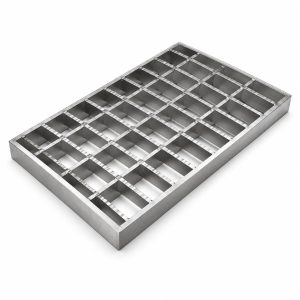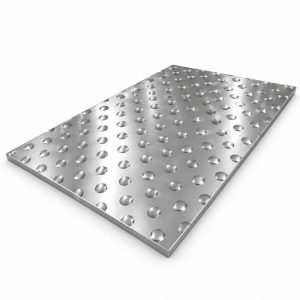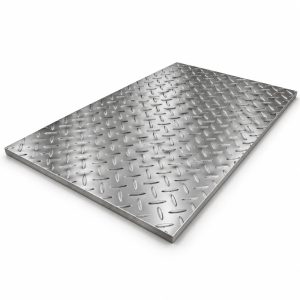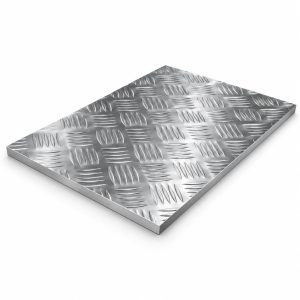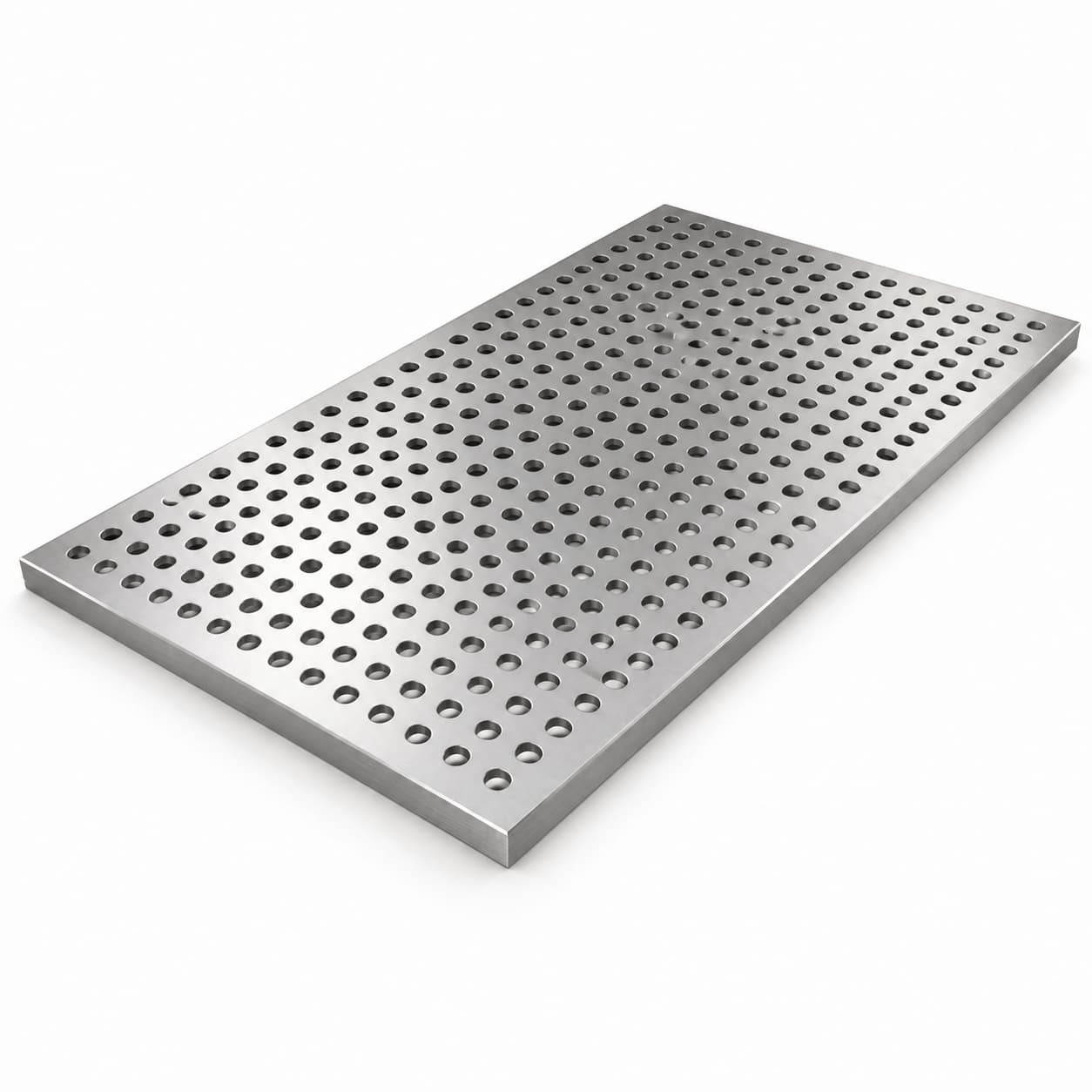
Stainless Steel Perforated Sheet

Grade: 201/304/304L/321/316/316L/310S/2205 etc

Thickness: 0.1mm-30mm

Hole types: Round holes, square holes, rectangular holes, triangular holes, hexagonal holes, cross-shaped holes, raised (dimpled) holes, custom irregular holes, etc.

Hole size: 0.2mm–300mm (Note: Hole diameter must be ≥ sheet thickness)

Hole Types Available for Stainless Steel Perforated Sheets

Stainless steel perforated sheets can be manufactured with various hole types to meet different functional, structural and aesthetic requirements.
Hole shape selection affects open area, strength, Beyond hole shape, layout matters. Buyers usually specify hole diameter plus pitch (center-to-center spacing) and the arrangement (straight or 60° staggered/triangular pitch). These choices drive open area, rigidity, and how the sheet looks at a distance.

Round Hole Stainless Steel Perforated Sheet

Round hole perforated sheets are the most common option, providing a good balance of strength, open area and manufacturing efficiency. They are widely used for filtration, ventilation and screening applications.

Square Hole Stainless Steel Perforated Sheet

Square hole perforated sheets offer a modern, structured appearance with higher open area compared to round holes of similar spacing. They are commonly used in decorative and architectural projects.

Slotted Hole Stainless Steel Perforated Sheet

Slotted hole perforated sheets allow directional airflow and material passage while maintaining structural strength. They are suitable for screening, drainage and industrial processing.

Hexagonal (Honeycomb) Hole Stainless Steel Perforated Sheet

Hexagonal hole perforated sheets, also known as honeycomb perforated sheets, provide high open area and efficient material flow. They are commonly used in filtration and processing industries.

Decorative and custom hole patterns can also be produced according to drawings or design requirements according to drawings or design requirements, mainly for architectural facades and interior decoration.

Chemical composition 304 (UNS S30400/ EN1.4301) 304L (UNS S30403/EN 1.4307)
Carbon, Max% 0.07 0.03
Manganese, Max% 2 2
Phosphorus, Max% 0.045 0.045
Sulphur, Max% 0.03 0.03
Silicon, Max% 0.75 0.75
Chromium Range% 17.5-19.5 17.5-19.5
Nickel Range% 8.0-10.5 8.0-12.0
Nitrogen, Max% 0.1 0.1
Chemical composition 316 (UNS S31600/ EN1.4401) 316L (UNS S31603/EN 1.4404)
Carbon, Max% 0.08 0.03
Manganese, Max% 2 2
Phosphorus, Max% 0.045 0.045
Sulphur, Max% 0.03 0.03
Silicon, Max% 0.75 0.75
Chromium Range% 16.0-18.0 16.0-18.0
Nickel Range% 10.0-14.0 10.0-14.0
Nitrogen, Max% 0.1 0.1
Molybdenum Range% 2.0-3.0 2.0-3.0
Mechanical Properties 304 304L
Tensile Min 75 ksi 70 ksi
Yield Min 30 ksi 25 ksi
Elongation Min 40% 40%
Hardness Max 92 HRB 92 HRB


Mechanical Properties 316 316L
Tensile Min 75 ksi 70 ksi
Yield Min 30 ksi 25 ksi
Elongation Min 40% 40%
Hardness Max 95 HRB 95 HRB

Architectural and Building Decoration: Used for building facades, curtain walls, ceilings, partitions, decorative panels, and exterior cladding due to its aesthetic appearance, durability, and corrosion resistance.

Interior Design and Decorative Applications: Applied in interior walls, room dividers, elevator panels, decorative screens, furniture panels, and customized design elements to achieve modern and stylish visual effects.

Filtration and Separation Systems: Widely used for filter screens, sieves, strainers, and separation equipment in industries requiring precise filtration and excellent corrosion resistance.

Food and Beverage Processing: Used in food processing equipment, drying trays, conveyor systems, sieves, and protective covers due to its hygienic surface and resistance to corrosion and cleaning chemicals.

Chemical and Petrochemical Industry: Applied in chemical processing equipment, filtration systems, protective covers, and ventilation structures where resistance to corrosive substances is required.

Oil & Gas Industry: Used for filtration components, protective screens, separators, ventilation covers, and equipment enclosures in oil exploration, refining, and processing facilities.

Pharmaceutical and Medical Equipment: Applied in pharmaceutical machinery, sterilization equipment, cleanroom partitions, and laboratory facilities due to its cleanliness, corrosion resistance, and ease of sterilization.

Water Treatment and Environmental Protection: Used in wastewater treatment systems, water filtration units, screening equipment, drainage covers, and environmental protection facilities.

HVAC and Ventilation Systems: Used for air filters, ventilation grilles, diffuser panels, acoustic panels, and protective covers in heating, ventilation, and air-conditioning systems.

Automotive Industry: Applied in vehicle components, engine covers, exhaust system parts, radiator grilles, acoustic panels, and protective mesh components.

Machinery and Equipment Manufacturing: Used for machine guards, protective covers, ventilation panels, screens, and structural components requiring strength and corrosion resistance.

Mining and Mineral Processing: Used in vibrating screens, sorting equipment, screening machines, and processing systems for separating materials and handling abrasive environments.

Marine and Offshore Applications: Applied in shipbuilding, offshore platforms, marine equipment, and coastal structures due to excellent resistance to seawater corrosion.

Power Generation Industry: Used in power plants for equipment guards, ventilation systems, filtration units, protective screens, and maintenance platforms.

Electronics and Electrical Equipment: Applied in electronic cabinets, speaker grilles, heat dissipation panels, shielding components, and equipment housings.

Agricultural and Livestock Equipment: Used for animal cages, ventilation panels, sorting screens, and agricultural machinery components due to durability and easy maintenance.

Security and Safety Applications: Used for security fences, protective barriers, machine safety guards, and anti-intrusion panels because of its strength and visibility control.

Retail and Commercial Applications: Used in store displays, shelves, lighting panels, signage, and decorative structures to combine functionality with modern appearance.

Automated Manufacturing and Robotics: Applied in robotic workstations, safety enclosures, machine protection systems, and precision equipment covers.

Noise Control and Acoustic Applications: Used in acoustic panels, sound barriers, and noise reduction systems where airflow and sound absorption are required.

Hole Types Available for Stainless Steel Perforated Sheets

Stainless steel perforated sheets can be manufactured with various hole types to meet different functional, structural and aesthetic requirements.
Hole shape selection affects open area, strength, Beyond hole shape, layout matters. Buyers usually specify hole diameter plus pitch (center-to-center spacing) and the arrangement (straight or 60° staggered/triangular pitch). These choices drive open area, rigidity, and how the sheet looks at a distance.

Round Hole Stainless Steel Perforated Sheet

Round hole perforated sheets are the most common option, providing a good balance of strength, open area and manufacturing efficiency. They are widely used for filtration, ventilation and screening applications.

Square Hole Stainless Steel Perforated Sheet

Square hole perforated sheets offer a modern, structured appearance with higher open area compared to round holes of similar spacing. They are commonly used in decorative and architectural projects.

Slotted Hole Stainless Steel Perforated Sheet

Slotted hole perforated sheets allow directional airflow and material passage while maintaining structural strength. They are suitable for screening, drainage and industrial processing.

Hexagonal (Honeycomb) Hole Stainless Steel Perforated Sheet

Hexagonal hole perforated sheets, also known as honeycomb perforated sheets, provide high open area and efficient material flow. They are commonly used in filtration and processing industries.

Decorative and custom hole patterns can also be produced according to drawings or design requirements according to drawings or design requirements, mainly for architectural facades and interior decoration.

Chemical composition 304 (UNS S30400/ EN1.4301) 304L (UNS S30403/EN 1.4307)
Carbon, Max% 0.07 0.03
Manganese, Max% 2 2
Phosphorus, Max% 0.045 0.045
Sulphur, Max% 0.03 0.03
Silicon, Max% 0.75 0.75
Chromium Range% 17.5-19.5 17.5-19.5
Nickel Range% 8.0-10.5 8.0-12.0
Nitrogen, Max% 0.1 0.1
Chemical composition 316 (UNS S31600/ EN1.4401) 316L (UNS S31603/EN 1.4404)
Carbon, Max% 0.08 0.03
Manganese, Max% 2 2
Phosphorus, Max% 0.045 0.045
Sulphur, Max% 0.03 0.03
Silicon, Max% 0.75 0.75
Chromium Range% 16.0-18.0 16.0-18.0
Nickel Range% 10.0-14.0 10.0-14.0
Nitrogen, Max% 0.1 0.1
Molybdenum Range% 2.0-3.0 2.0-3.0
Mechanical Properties 304 304L
Tensile Min 75 ksi 70 ksi
Yield Min 30 ksi 25 ksi
Elongation Min 40% 40%
Hardness Max 92 HRB 92 HRB


Mechanical Properties 316 316L
Tensile Min 75 ksi 70 ksi
Yield Min 30 ksi 25 ksi
Elongation Min 40% 40%
Hardness Max 95 HRB 95 HRB

Architectural and Building Decoration: Used for building facades, curtain walls, ceilings, partitions, decorative panels, and exterior cladding due to its aesthetic appearance, durability, and corrosion resistance.

Interior Design and Decorative Applications: Applied in interior walls, room dividers, elevator panels, decorative screens, furniture panels, and customized design elements to achieve modern and stylish visual effects.

Filtration and Separation Systems: Widely used for filter screens, sieves, strainers, and separation equipment in industries requiring precise filtration and excellent corrosion resistance.

Food and Beverage Processing: Used in food processing equipment, drying trays, conveyor systems, sieves, and protective covers due to its hygienic surface and resistance to corrosion and cleaning chemicals.

Chemical and Petrochemical Industry: Applied in chemical processing equipment, filtration systems, protective covers, and ventilation structures where resistance to corrosive substances is required.

Oil & Gas Industry: Used for filtration components, protective screens, separators, ventilation covers, and equipment enclosures in oil exploration, refining, and processing facilities.

Pharmaceutical and Medical Equipment: Applied in pharmaceutical machinery, sterilization equipment, cleanroom partitions, and laboratory facilities due to its cleanliness, corrosion resistance, and ease of sterilization.

Water Treatment and Environmental Protection: Used in wastewater treatment systems, water filtration units, screening equipment, drainage covers, and environmental protection facilities.

HVAC and Ventilation Systems: Used for air filters, ventilation grilles, diffuser panels, acoustic panels, and protective covers in heating, ventilation, and air-conditioning systems.

Automotive Industry: Applied in vehicle components, engine covers, exhaust system parts, radiator grilles, acoustic panels, and protective mesh components.

Machinery and Equipment Manufacturing: Used for machine guards, protective covers, ventilation panels, screens, and structural components requiring strength and corrosion resistance.

Mining and Mineral Processing: Used in vibrating screens, sorting equipment, screening machines, and processing systems for separating materials and handling abrasive environments.

Marine and Offshore Applications: Applied in shipbuilding, offshore platforms, marine equipment, and coastal structures due to excellent resistance to seawater corrosion.

Power Generation Industry: Used in power plants for equipment guards, ventilation systems, filtration units, protective screens, and maintenance platforms.

Electronics and Electrical Equipment: Applied in electronic cabinets, speaker grilles, heat dissipation panels, shielding components, and equipment housings.

Agricultural and Livestock Equipment: Used for animal cages, ventilation panels, sorting screens, and agricultural machinery components due to durability and easy maintenance.

Security and Safety Applications: Used for security fences, protective barriers, machine safety guards, and anti-intrusion panels because of its strength and visibility control.

Retail and Commercial Applications: Used in store displays, shelves, lighting panels, signage, and decorative structures to combine functionality with modern appearance.

Automated Manufacturing and Robotics: Applied in robotic workstations, safety enclosures, machine protection systems, and precision equipment covers.

Noise Control and Acoustic Applications: Used in acoustic panels, sound barriers, and noise reduction systems where airflow and sound absorption are required.

Send Iquiry

Scroll to Top

Request a Quote

Name
Interested Products

Get Free Sample

Name
Interested Products