Grade: 304/UNS S30400
304 stainless steel is one of the most widely used austenitic stainless steels in the world. ”
“It contains approximately 18% chromium and 8% nickel, providing an excellent balance of corrosion resistance, ”
“mechanical properties, formability, and weldability. The chromium content forms a passive oxide layer that protects ”
“the material from general corrosion, while nickel improves toughness, ductility, and structural stability.
As a non-magnetic austenitic stainless steel in the annealed condition, 304 offers excellent fabrication characteristics, ”
“including deep drawing, bending, machining, and welding performance. It performs well in a wide range of atmospheric and ”
“chemical environments and is suitable for both industrial and consumer applications.
Compared with carbon steels and lower alloy stainless steels, 304 provides superior corrosion resistance and long service life. ”
“However, it has limited resistance to chloride-induced pitting and crevice corrosion compared with molybdenum-containing grades ”
“such as 316 stainless steel.
304 stainless steel is widely used in food processing equipment, architectural applications, chemical processing equipment, ”
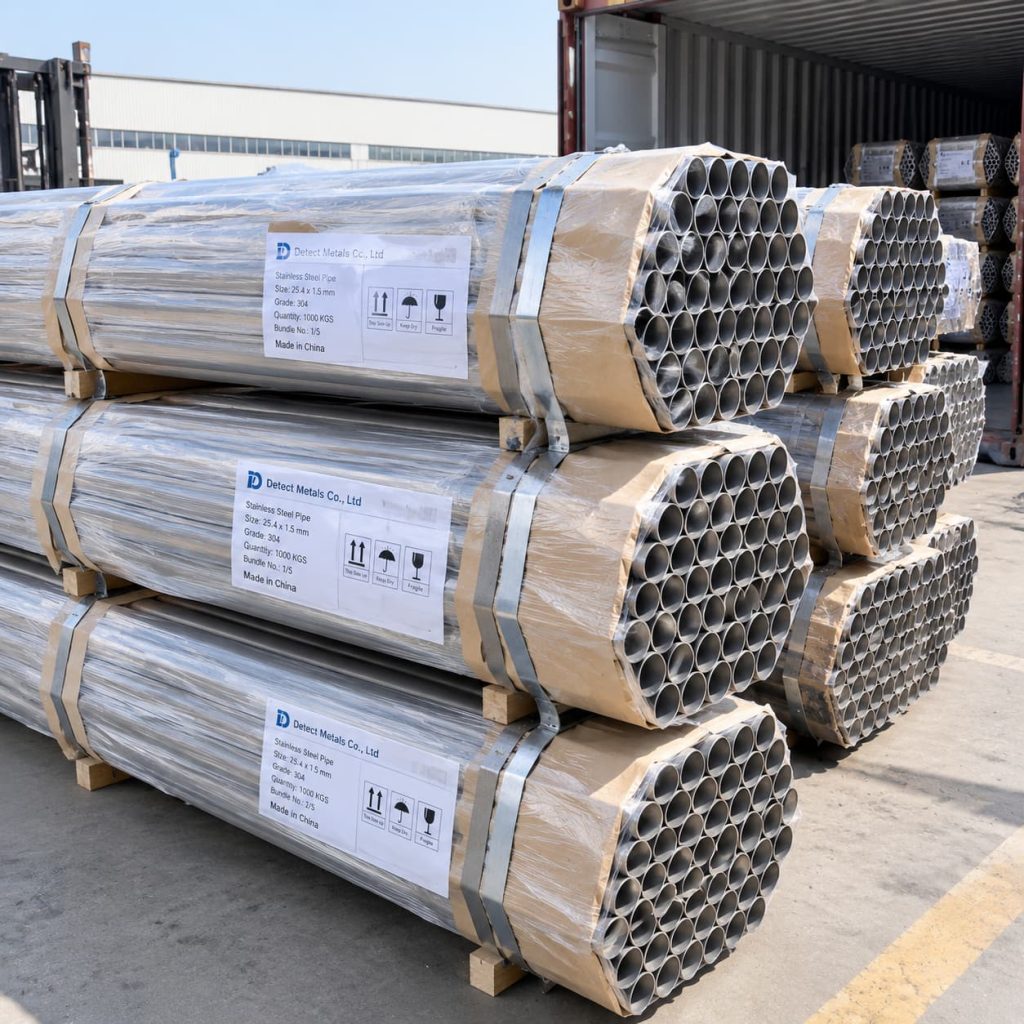
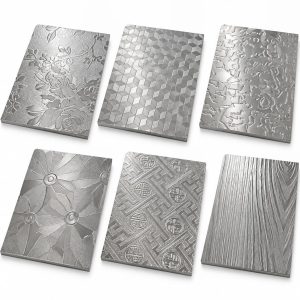
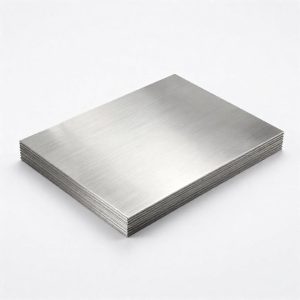
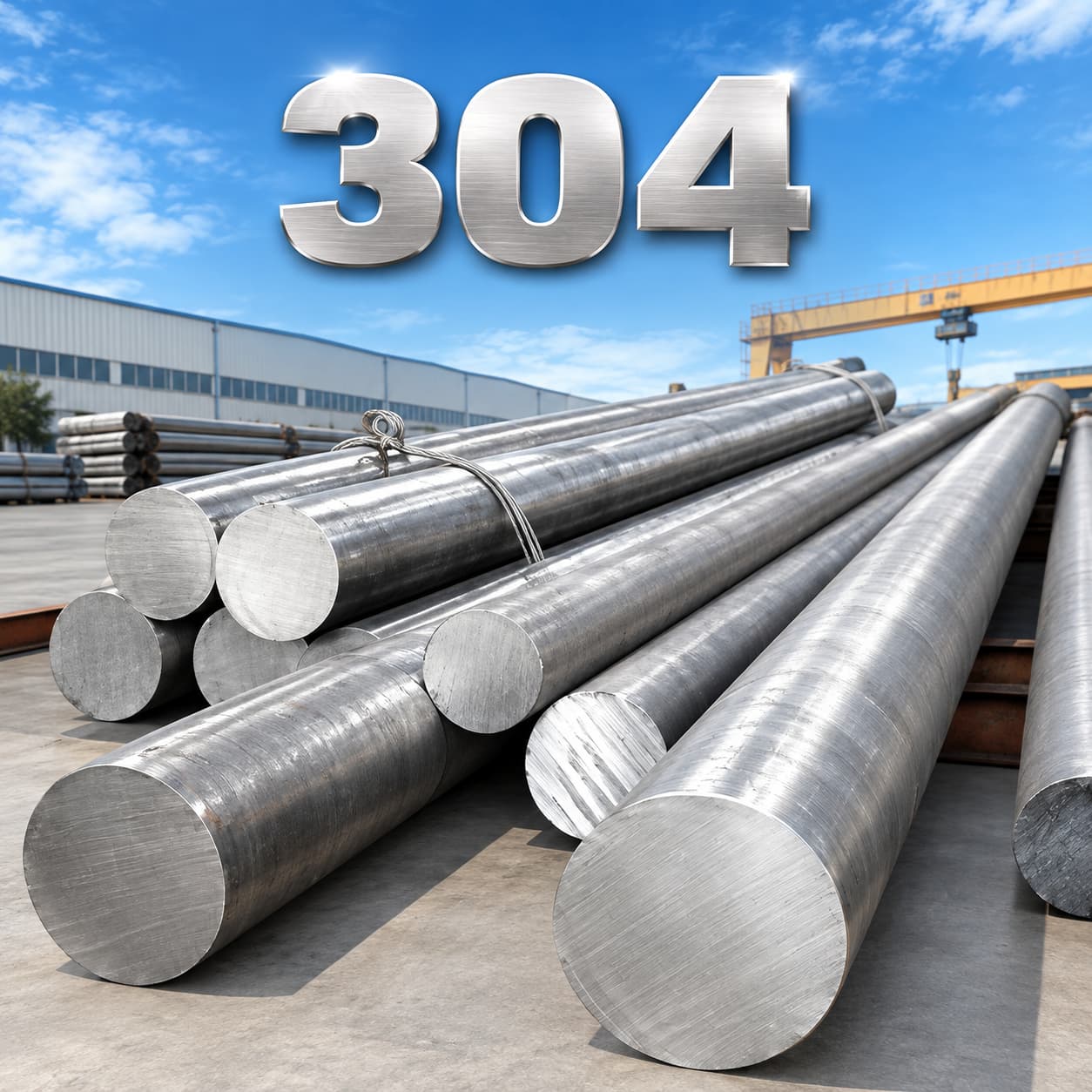
“heat exchangers, pressure vessels, piping systems, and general industrial components. It is available in various product forms ”
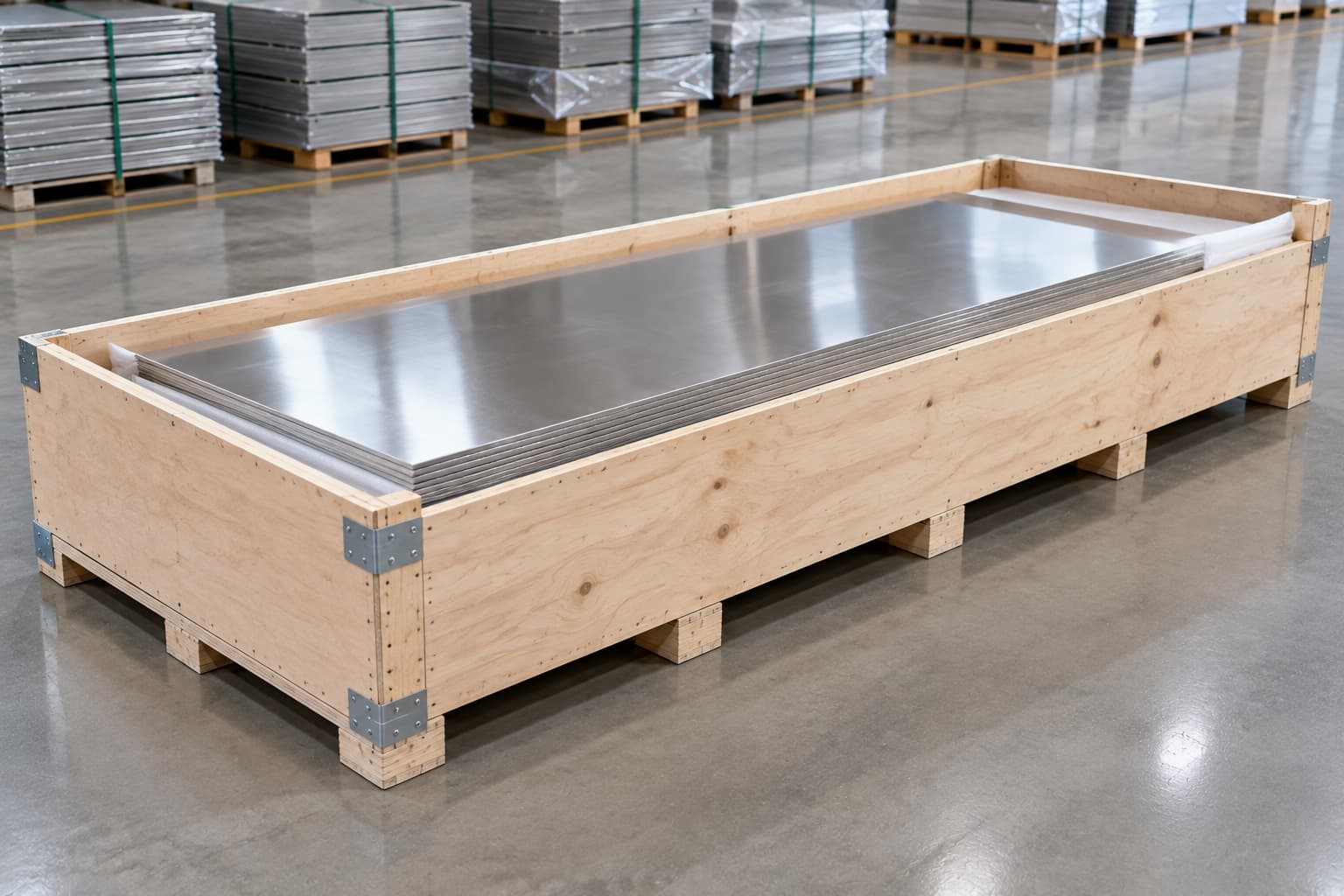
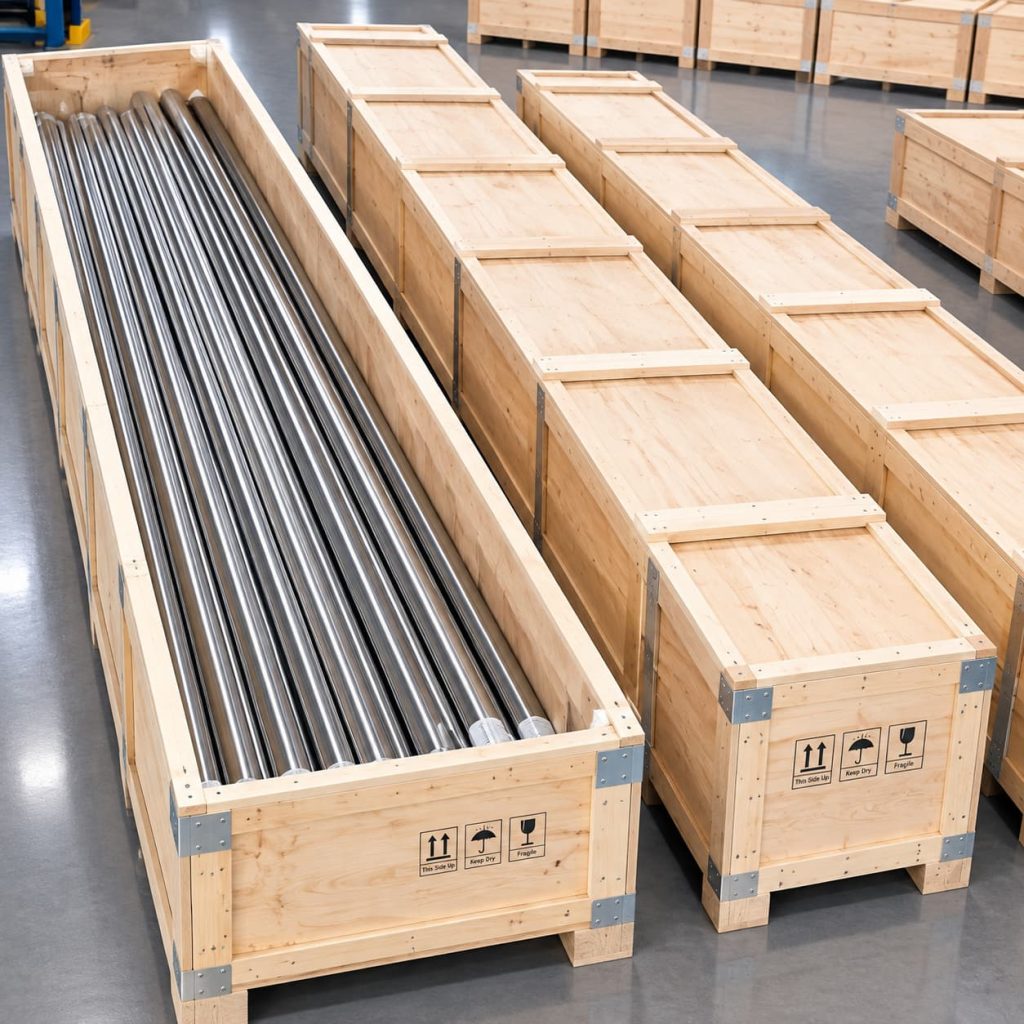
“including stainless steel bars, plates, sheets, tubes, and fittings.
Standard Designations
| Standard | Designation |
| ASTM / UNS | Type 304 / UNS S30400 |
| JIS | SUS304 |
| EN | 1.4301 / X5CrNi18-10 |
Bar Production Standards
| Standard | Description |
| ASTM A276/A276M | Stainless Steel Bars and Shapes |
| ASTM A479/A479M | Stainless Steel Bars and Shapes for Pressure Vessel Service |
| ASTM A484/A484M | General Requirements for Stainless Steel Bars |
| JIS G4303 | Stainless Steel Bars |
| EN 10088-3 | Stainless Steel Bars and Rods |
Chemical Composition (Typical wt.%)
| Element | Value |
| Carbon (C) | ≤0.08 |
| Chromium (Cr) | 18.00-20.00 |
| Nickel (Ni) | 8.00-10.50 |
| Manganese (Mn) | ≤2.00 |
| Silicon (Si) | ≤1.00 |
| Phosphorus (P) | ≤0.045 |
| Sulfur (S) | ≤0.030 |
| Iron (Fe) | Balance |
Mechanical Properties (Annealed Condition)
| Property | Value |
| Tensile Strength | ≥515 MPa |
| Yield Strength (0.2% Offset) | ≥205 MPa |
| Elongation | ≥40% |
| Hardness (Brinell) | ≤201 HB |
| Hardness (Rockwell B) | ≤92 HRB |
| Density | Approx. 8.0 g/cm³ |
| Modulus of Elasticity | Approx. 193 GPa |
- Food processing equipment
- Chemical processing equipment
- Architectural structures and decorative applications
- Heat exchangers
- Pressure vessels
- Piping systems
- Kitchen equipment
- Pharmaceutical equipment
- Marine and industrial components
304 stainless steel is one of the most widely used austenitic stainless steels in the world. ”
“It contains approximately 18% chromium and 8% nickel, providing an excellent balance of corrosion resistance, ”
“mechanical properties, formability, and weldability. The chromium content forms a passive oxide layer that protects ”
“the material from general corrosion, while nickel improves toughness, ductility, and structural stability.
As a non-magnetic austenitic stainless steel in the annealed condition, 304 offers excellent fabrication characteristics, ”
“including deep drawing, bending, machining, and welding performance. It performs well in a wide range of atmospheric and ”
“chemical environments and is suitable for both industrial and consumer applications.
Compared with carbon steels and lower alloy stainless steels, 304 provides superior corrosion resistance and long service life. ”
“However, it has limited resistance to chloride-induced pitting and crevice corrosion compared with molybdenum-containing grades ”
“such as 316 stainless steel.
304 stainless steel is widely used in food processing equipment, architectural applications, chemical processing equipment, ”
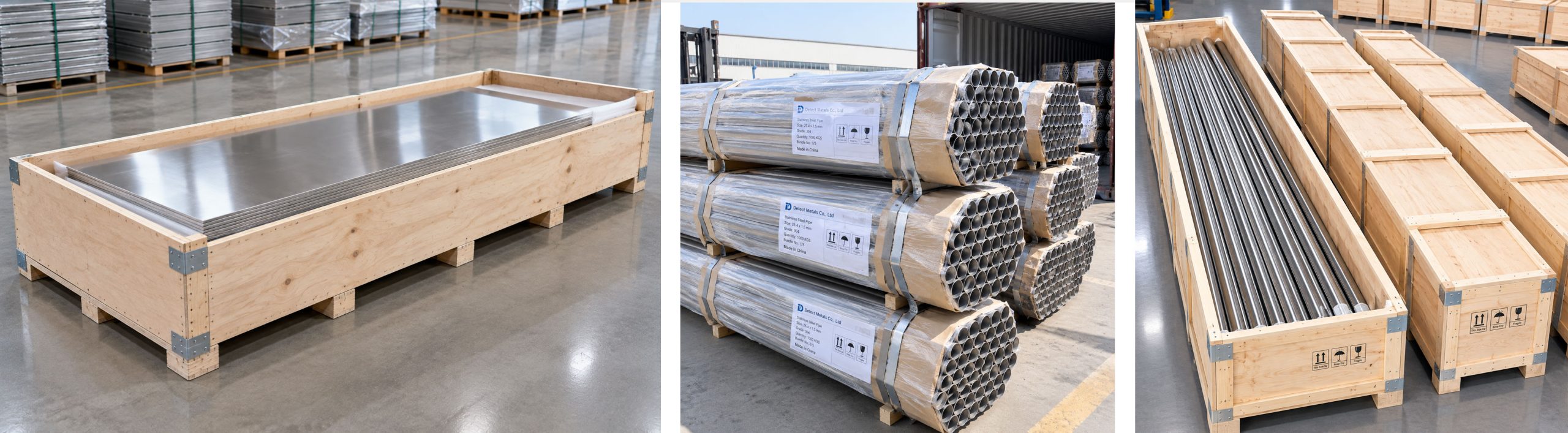
“heat exchangers, pressure vessels, piping systems, and general industrial components. It is available in various product forms ”
“including stainless steel bars, plates, sheets, tubes, and fittings.
Standard Designations
| Standard | Designation |
| ASTM / UNS | Type 304 / UNS S30400 |
| JIS | SUS304 |
| EN | 1.4301 / X5CrNi18-10 |
Bar Production Standards
| Standard | Description |
| ASTM A276/A276M | Stainless Steel Bars and Shapes |
| ASTM A479/A479M | Stainless Steel Bars and Shapes for Pressure Vessel Service |
| ASTM A484/A484M | General Requirements for Stainless Steel Bars |
| JIS G4303 | Stainless Steel Bars |
| EN 10088-3 | Stainless Steel Bars and Rods |
Chemical Composition (Typical wt.%)
| Element | Value |
| Carbon (C) | ≤0.08 |
| Chromium (Cr) | 18.00-20.00 |
| Nickel (Ni) | 8.00-10.50 |
| Manganese (Mn) | ≤2.00 |
| Silicon (Si) | ≤1.00 |
| Phosphorus (P) | ≤0.045 |
| Sulfur (S) | ≤0.030 |
| Iron (Fe) | Balance |
Mechanical Properties (Annealed Condition)
| Property | Value |
| Tensile Strength | ≥515 MPa |
| Yield Strength (0.2% Offset) | ≥205 MPa |
| Elongation | ≥40% |
| Hardness (Brinell) | ≤201 HB |
| Hardness (Rockwell B) | ≤92 HRB |
| Density | Approx. 8.0 g/cm³ |
| Modulus of Elasticity | Approx. 193 GPa |
- Food processing equipment
- Chemical processing equipment
- Architectural structures and decorative applications
- Heat exchangers
- Pressure vessels
- Piping systems
- Kitchen equipment
- Pharmaceutical equipment
- Marine and industrial components