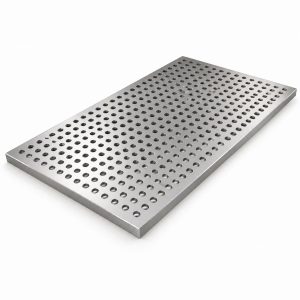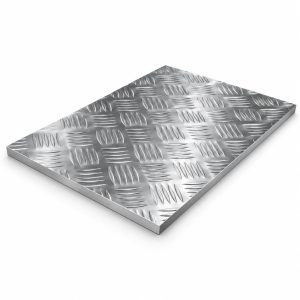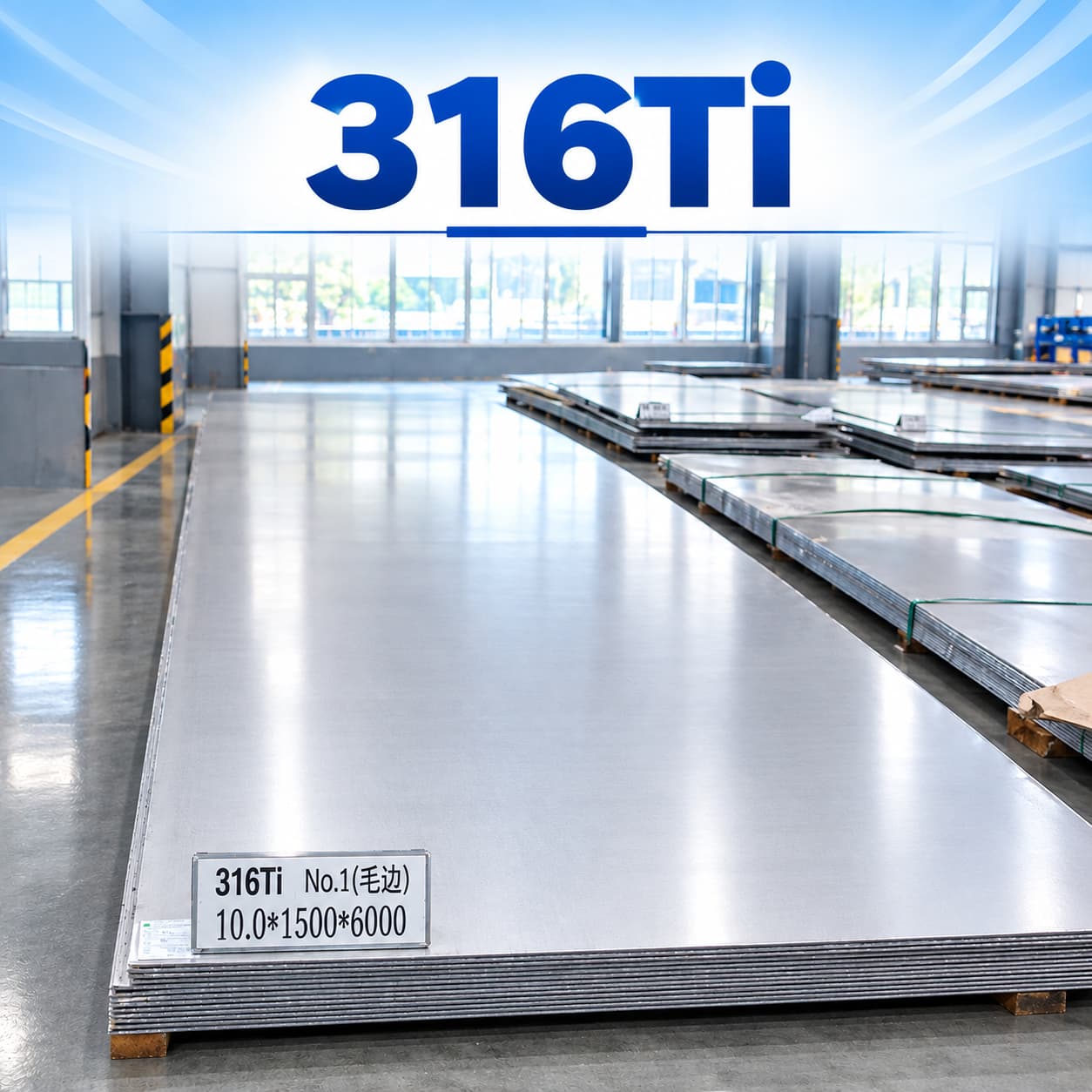
Grade: 316Ti/S31635/W.Nr 1.4571
316Ti stainless steel is a titanium-stabilized austenitic stainless steel developed from 316 stainless steel. ”
“The addition of titanium prevents chromium carbide precipitation during welding and prolonged exposure to elevated temperatures, ”
“which improves resistance to intergranular corrosion. It maintains the excellent corrosion resistance of 316 stainless steel due ”
“to its chromium, nickel, and molybdenum content, providing enhanced resistance to pitting and crevice corrosion in chloride-containing environments.
Compared with 316L stainless steel, 316Ti offers improved high-temperature stability and is suitable for applications involving ”
“long-term service at elevated temperatures. The titanium stabilization allows the material to maintain corrosion resistance after ”
“welding without requiring post-weld heat treatment. It also provides good mechanical strength, toughness, weldability, and formability.
316Ti is widely used in chemical processing, pharmaceutical, petrochemical, heat exchanger, and high-temperature equipment where ”
“both corrosion resistance and thermal stability are required.
Chemical Composition (Typical wt.%)
| Element | 316Ti |
| Carbon (C) | ≤0.08 |
| Chromium (Cr) | 16.00-18.00 |
| Nickel (Ni) | 10.00-14.00 |
| Molybdenum (Mo) | 2.00-3.00 |
| Titanium (Ti) | 5×C-0.70 |
| Manganese (Mn) | ≤2.00 |
| Silicon (Si) | ≤1.00 |
| Phosphorus (P) | ≤0.045 |
| Sulfur (S) | ≤0.030 |
| Iron (Fe) | Balance |
Mechanical Properties (Annealed Condition)
| Property | 316Ti |
| Tensile Strength | ≥515 MPa |
| Yield Strength (0.2% Offset) | ≥205 MPa |
| Elongation | ≥40% |
| Hardness (Brinell) | ≤217 HB |
| Hardness (Rockwell B) | ≤95 HRB |
| Density | Approx. 8.0 g/cm³ |
| Modulus of Elasticity | Approx. 200 GPa |
- Chemical processing equipment
- Petrochemical processing systems
- Heat exchangers
- Pressure vessels
- Pharmaceutical equipment
- Food processing equipment
- Welded structures exposed to corrosive environments
- High-temperature piping systems
- Marine equipment
- Exhaust and thermal processing equipment
316Ti stainless steel is a titanium-stabilized austenitic stainless steel developed from 316 stainless steel. ”
“The addition of titanium prevents chromium carbide precipitation during welding and prolonged exposure to elevated temperatures, ”
“which improves resistance to intergranular corrosion. It maintains the excellent corrosion resistance of 316 stainless steel due ”
“to its chromium, nickel, and molybdenum content, providing enhanced resistance to pitting and crevice corrosion in chloride-containing environments.
Compared with 316L stainless steel, 316Ti offers improved high-temperature stability and is suitable for applications involving ”
“long-term service at elevated temperatures. The titanium stabilization allows the material to maintain corrosion resistance after ”
“welding without requiring post-weld heat treatment. It also provides good mechanical strength, toughness, weldability, and formability.
316Ti is widely used in chemical processing, pharmaceutical, petrochemical, heat exchanger, and high-temperature equipment where ”
“both corrosion resistance and thermal stability are required.
Chemical Composition (Typical wt.%)
| Element | 316Ti |
| Carbon (C) | ≤0.08 |
| Chromium (Cr) | 16.00-18.00 |
| Nickel (Ni) | 10.00-14.00 |
| Molybdenum (Mo) | 2.00-3.00 |
| Titanium (Ti) | 5×C-0.70 |
| Manganese (Mn) | ≤2.00 |
| Silicon (Si) | ≤1.00 |
| Phosphorus (P) | ≤0.045 |
| Sulfur (S) | ≤0.030 |
| Iron (Fe) | Balance |
Mechanical Properties (Annealed Condition)
| Property | 316Ti |
| Tensile Strength | ≥515 MPa |
| Yield Strength (0.2% Offset) | ≥205 MPa |
| Elongation | ≥40% |
| Hardness (Brinell) | ≤217 HB |
| Hardness (Rockwell B) | ≤95 HRB |
| Density | Approx. 8.0 g/cm³ |
| Modulus of Elasticity | Approx. 200 GPa |
- Chemical processing equipment
- Petrochemical processing systems
- Heat exchangers
- Pressure vessels
- Pharmaceutical equipment
- Food processing equipment
- Welded structures exposed to corrosive environments
- High-temperature piping systems
- Marine equipment
- Exhaust and thermal processing equipment