Grade: 316/316L
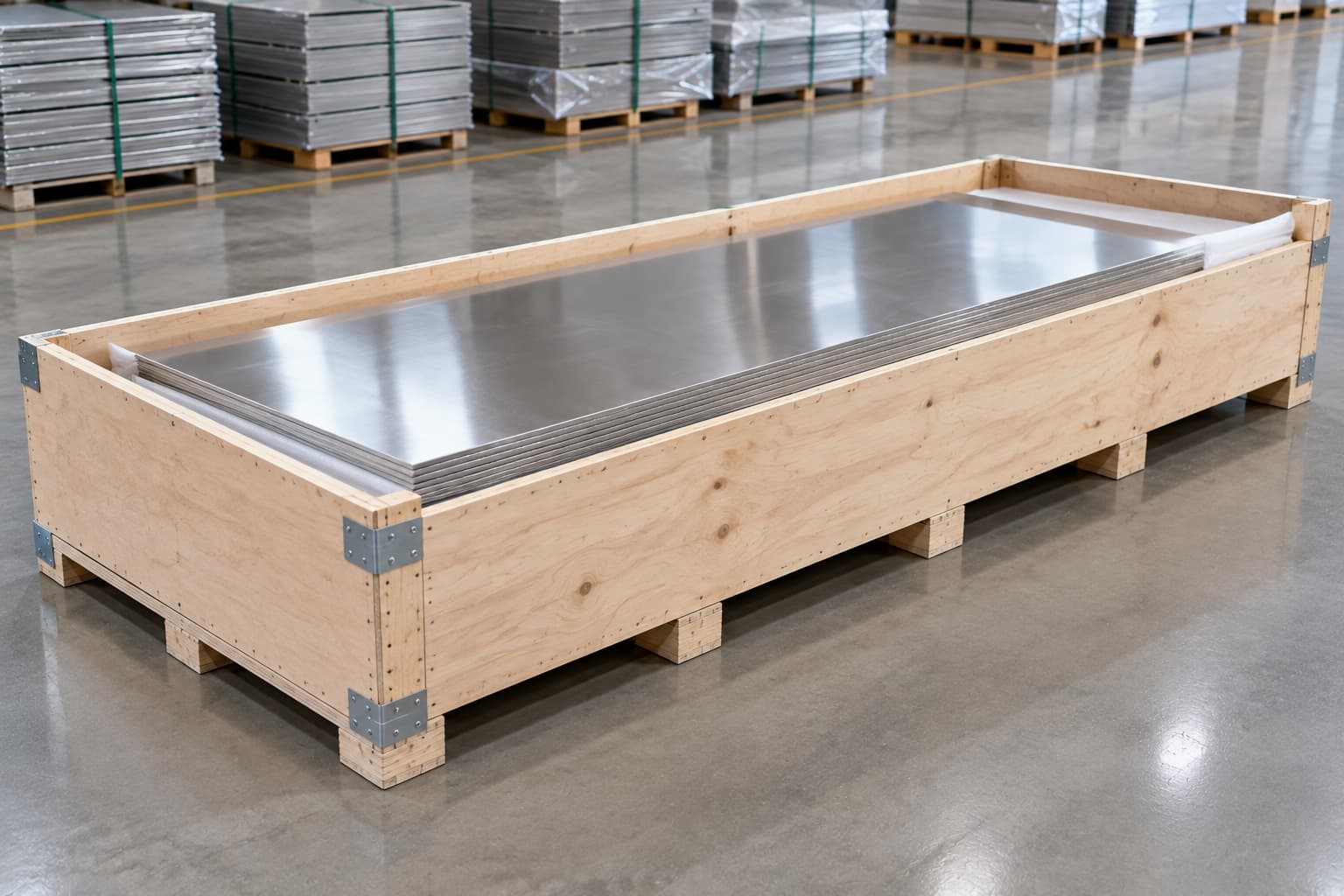
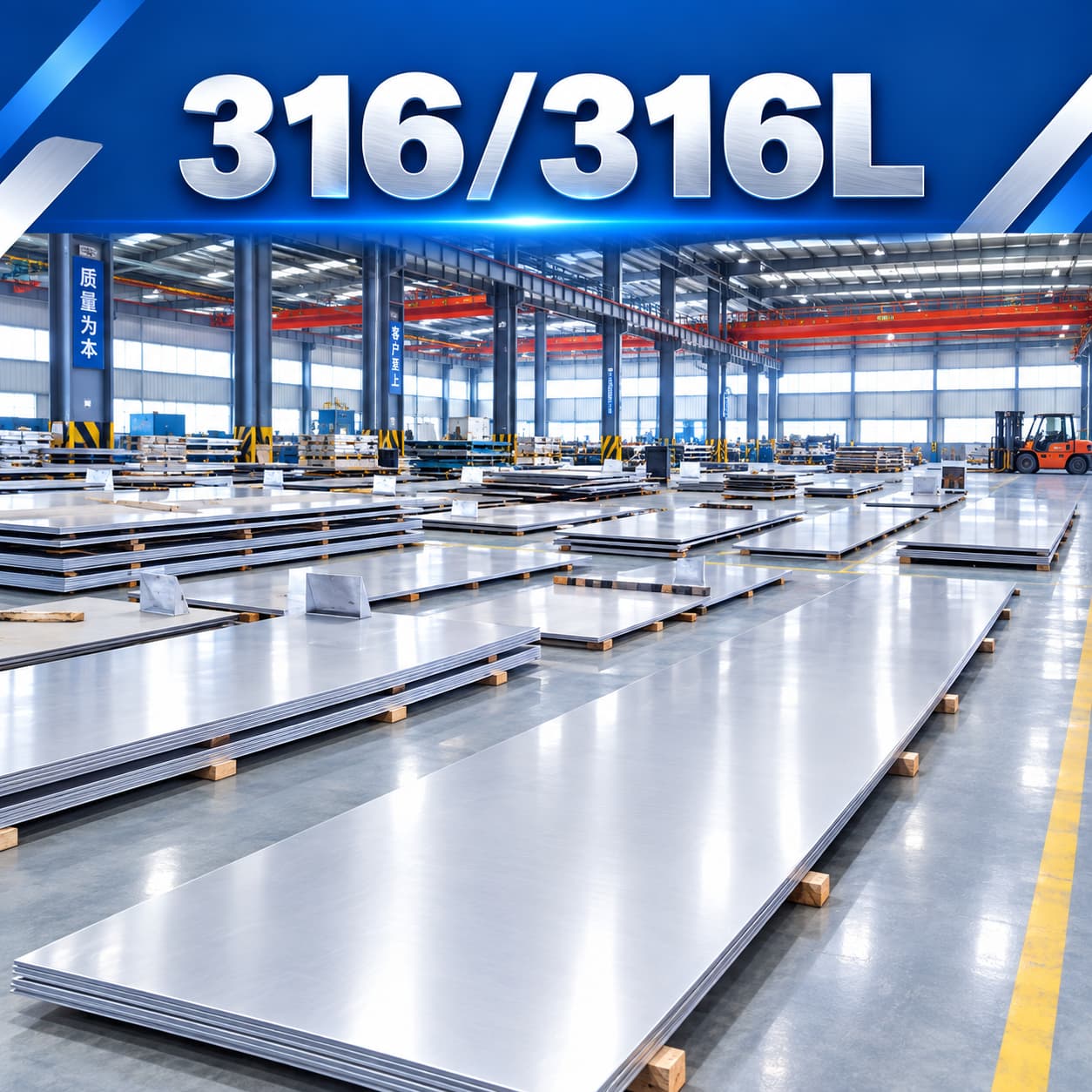
316/316L is an Austenitic Stainless Steel containing Molybdenum to improve corrosion resistance over 304/304L. 316/316L Stainless Steel Plate and Sheet also has increased high-temperature strength versus 304/304L. Similar to 304/L, 316/L has a reduced carbon content as compared to regular 316 alloy which increases corrosion resistance. 316/316L Stainless Steel Sheet and Plate is also non-magnetic in an annealed condition. The key attributes of 316/316L Stainless Steel as compared to 304/304L are improved corrosion resistance compared to 304/304L, high ductility and formability, excellent impact toughness throughout the temperature range, and good machinability. In particular, the molybdenum addition enhances resistance to chloride-induced pitting and crevice corrosion, making it suitable for marine and de-icing salt environments. The low-carbon “L” grade minimizes carbide precipitation during welding, improving intergranular corrosion resistance and weldability for fabricated assemblies. While non-magnetic when annealed, 316/316L can become slightly magnetic after cold working due to work hardening. Plate and sheet are commonly produced to ASTM A240/ASME SA240 and offered in a variety of tempers and surface finishes for downstream polishing and fabrication. Typical applications include chemical processing equipment, marine hardware, heat exchangers, pharmaceutical and food-processing components, and architectural elements exposed to aggressive atmospheres.
| Chemical composition | 316 (UNS S31600/ EN1.4401) | 316L (UNS S31603/EN 1.4404) |
| Carbon, Max% | 0.08 | 0.03 |
| Manganese, Max% | 2 | 2 |
| Phosphorus, Max% | 0.045 | 0.045 |
| Sulphur, Max% | 0.03 | 0.03 |
| Silicon, Max% | 0.75 | 0.75 |
| Chromium Range% | 16.0-18.0 | 16.0-18.0 |
| Nickel Range% | 10.0-14.0 | 10.0-14.0 |
| Nitrogen, Max% | 0.1 | 0.1 |
| Molybdenum Range% | 2.0-3.0 | 2.0-3.0 |
| Mechanical Properties | 316 | 316L |
| Tensile Min | 75 ksi | 70 ksi |
| Yield Min | 30 ksi | 25 ksi |
| Elongation Min | 40% | 40% |
| Hardness Max | 95 HRB | 95 HRB |
The molybdenum gives 316 better overall corrosion-resistant properties than Grade 304, particularly higher resistance in chloride environments. Common uses of Stainless Steel Sheet 316/316L include:
- Boat Fittings
- Brewery Equipment
- Chemical Transportation Containers
- Chemical & Petrochemical Equipment
- Coastal Architectural Paneling
- Coastal Balustrading
- Food Processing Equipment
- Heat Exchangers
- Medical Implants
- Mining Screens
- Nuts & Bolts
- Laboratory Benches & Equipment
- Springs
316/316L is an Austenitic Stainless Steel containing Molybdenum to improve corrosion resistance over 304/304L. 316/316L Stainless Steel Plate and Sheet also has increased high-temperature strength versus 304/304L. Similar to 304/L, 316/L has a reduced carbon content as compared to regular 316 alloy which increases corrosion resistance. 316/316L Stainless Steel Sheet and Plate is also non-magnetic in an annealed condition. The key attributes of 316/316L Stainless Steel as compared to 304/304L are improved corrosion resistance compared to 304/304L, high ductility and formability, excellent impact toughness throughout the temperature range, and good machinability. In particular, the molybdenum addition enhances resistance to chloride-induced pitting and crevice corrosion, making it suitable for marine and de-icing salt environments. The low-carbon “L” grade minimizes carbide precipitation during welding, improving intergranular corrosion resistance and weldability for fabricated assemblies. While non-magnetic when annealed, 316/316L can become slightly magnetic after cold working due to work hardening. Plate and sheet are commonly produced to ASTM A240/ASME SA240 and offered in a variety of tempers and surface finishes for downstream polishing and fabrication. Typical applications include chemical processing equipment, marine hardware, heat exchangers, pharmaceutical and food-processing components, and architectural elements exposed to aggressive atmospheres.
| Chemical composition | 316 (UNS S31600/ EN1.4401) | 316L (UNS S31603/EN 1.4404) |
| Carbon, Max% | 0.08 | 0.03 |
| Manganese, Max% | 2 | 2 |
| Phosphorus, Max% | 0.045 | 0.045 |
| Sulphur, Max% | 0.03 | 0.03 |
| Silicon, Max% | 0.75 | 0.75 |
| Chromium Range% | 16.0-18.0 | 16.0-18.0 |
| Nickel Range% | 10.0-14.0 | 10.0-14.0 |
| Nitrogen, Max% | 0.1 | 0.1 |
| Molybdenum Range% | 2.0-3.0 | 2.0-3.0 |
| Mechanical Properties | 316 | 316L |
| Tensile Min | 75 ksi | 70 ksi |
| Yield Min | 30 ksi | 25 ksi |
| Elongation Min | 40% | 40% |
| Hardness Max | 95 HRB | 95 HRB |
The molybdenum gives 316 better overall corrosion-resistant properties than Grade 304, particularly higher resistance in chloride environments. Common uses of Stainless Steel Sheet 316/316L include:
- Boat Fittings
- Brewery Equipment
- Chemical Transportation Containers
- Chemical & Petrochemical Equipment
- Coastal Architectural Paneling
- Coastal Balustrading
- Food Processing Equipment
- Heat Exchangers
- Medical Implants
- Mining Screens
- Nuts & Bolts
- Laboratory Benches & Equipment
- Springs