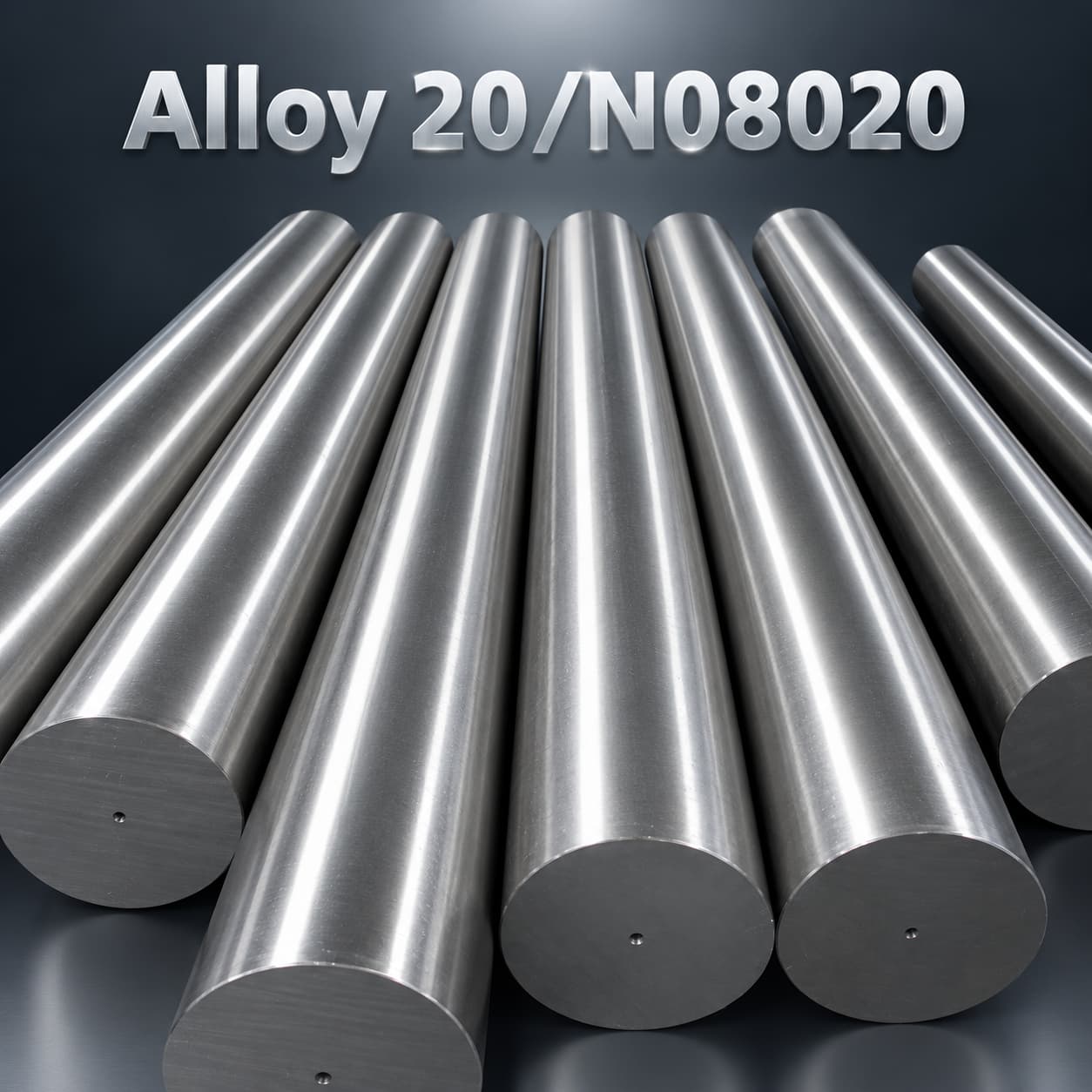
Grade: Alloy 20/UNS N08020/20Cb-3
Alloy 20 stainless steel, also known as 20Cb-3, or UNS N08020, is a super austenitic stainless steel alloy specifically developed for applications requiring outstanding resistance to sulfuric acid and other aggressive chemical environments. Although classified as a stainless steel, Alloy 20 has characteristics between stainless steels and nickel alloys due to its high nickel, chromium, molybdenum, and copper content. It is widely recognized as one of the most effective alloys for handling sulfuric acid-based processes.
The alloy contains approximately 20% chromium, 34% nickel, 2–3% molybdenum, and 3–4% copper. Chromium provides general corrosion resistance, while molybdenum improves resistance to pitting and crevice corrosion. Copper significantly enhances resistance to sulfuric acid and other reducing acids. Niobium stabilization prevents carbide precipitation during welding, reducing the risk of intergranular corrosion in welded components.
Alloy 20 stainless steel bars provide excellent resistance to stress corrosion cracking, chloride corrosion, and chemical attack. Compared with 316L stainless steel, Alloy 20 offers significantly improved resistance in sulfuric acid environments and better resistance to chloride stress corrosion cracking. Compared with 904L stainless steel, Alloy 20 provides superior sulfuric acid resistance due to its higher nickel and copper content.
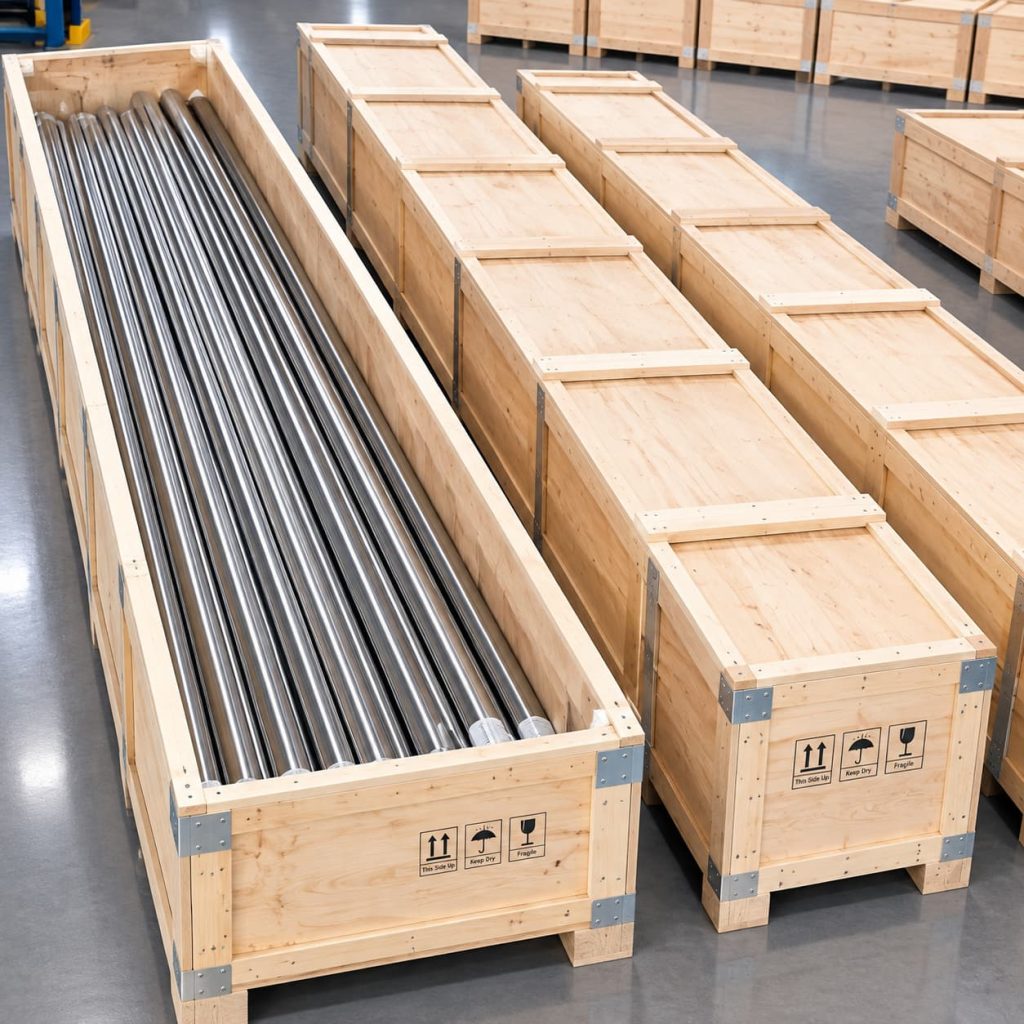
The alloy maintains a fully austenitic microstructure, providing excellent toughness, ductility, and weldability. Alloy 20 stainless steel bars are normally supplied in solution annealed and stabilized conditions to optimize corrosion resistance and mechanical properties. The material can be readily fabricated using conventional stainless steel manufacturing processes.
Due to its excellent resistance to aggressive chemicals, Alloy 20 stainless steel bars are widely used in chemical processing equipment, sulfuric acid plants, pharmaceutical equipment, food processing systems, heat exchangers, tanks, pumps, valves, piping components, and pollution control equipment.
ASTM / JIS / EN Standards
| Standard System | Standard / Grade | Description |
| ASTM | ASTM A276 / A276M – UNS N08020 | Stainless Steel Bars and Shapes |
| ASTM | ASTM A479 / A479M – UNS N08020 | Stainless Steel Bars for Pressure Equipment |
| ASTM | ASTM A182 – UNS N08020 | Forged Stainless Steel Components |
| ASTM | ASTM B473 – UNS N08020 | Nickel Alloy Rod and Bar |
| ASTM | ASTM B462 / B463 – UNS N08020 | Forgings and Plate Products |
| UNS | N08020 | Alloy 20 Stainless Steel |
| Trade Name | Carpenter 20Cb-3 | Stabilized Alloy 20 Grade |
| EN | 2.4660 | NiCr20CuMo Stainless Steel |
| DIN | DIN 2.4660 | Equivalent Material Designation |
Stainless Steel Bar Execution Standards
| Item | Specification |
| Product Type | Round Bar, Square Bar, Hexagonal Bar |
| Manufacturing Process | Hot Rolled, Cold Drawn, Peeled, Ground, Polished |
| Heat Treatment | Solution Annealing + Stabilization Treatment |
| Solution Treatment Temperature | Approximately 930–980°C followed by rapid cooling |
| Microstructure | Fully Austenitic |
| Stabilization Element | Niobium (Columbium) |
| Surface Condition | Black Surface, Bright Surface, Ground Surface, Polished Surface |
| Dimensional Tolerance | According to ASTM A276 / ASTM A479 |
| Inspection | Chemical Analysis, Tensile Testing, Hardness Testing, Intergranular Corrosion Testing |
| Supply Condition | Solution Annealed / Stabilized Condition |
Chemical Composition (%)
| Element | Composition Requirement |
| Carbon (C) | ≤ 0.070 |
| Silicon (Si) | ≤ 1.00 |
| Manganese (Mn) | ≤ 2.00 |
| Phosphorus (P) | ≤ 0.045 |
| Sulfur (S) | ≤ 0.035 |
| Chromium (Cr) | 19.00 – 21.00 |
| Nickel (Ni) | 32.00 – 38.00 |
| Molybdenum (Mo) | 2.00 – 3.00 |
| Copper (Cu) | 3.00 – 4.00 |
| Niobium (Nb) | ≥ 8 × C, ≤ 1.00 |
| Iron (Fe) | Balance |
Mechanical Properties
Solution Annealed Condition
| Property | Requirement |
| Tensile Strength | ≥ 550 MPa |
| Yield Strength (0.2% Offset) | ≥ 240 MPa |
| Elongation | ≥ 30% |
| Reduction of Area | ≥ 50% |
| Hardness | Typically ≤ 200 HB |
| Condition | Solution Annealed / Stabilized |
| Industry | Applications |
| Chemical Industry | Sulfuric acid tanks, reactors, piping systems |
| Petrochemical Industry | Process equipment, heat exchangers |
| Pharmaceutical Industry | High-purity processing equipment |
| Food Industry | Corrosion-resistant processing equipment |
| Power Generation | Acid handling systems, pollution control equipment |
| Mining Industry | Acid leaching equipment |
| Marine Industry | Chemical-resistant seawater equipment |
| Industrial Equipment | Pumps, valves, fittings, pressure components |
Alloy 20 stainless steel, also known as 20Cb-3, or UNS N08020, is a super austenitic stainless steel alloy specifically developed for applications requiring outstanding resistance to sulfuric acid and other aggressive chemical environments. Although classified as a stainless steel, Alloy 20 has characteristics between stainless steels and nickel alloys due to its high nickel, chromium, molybdenum, and copper content. It is widely recognized as one of the most effective alloys for handling sulfuric acid-based processes.
The alloy contains approximately 20% chromium, 34% nickel, 2–3% molybdenum, and 3–4% copper. Chromium provides general corrosion resistance, while molybdenum improves resistance to pitting and crevice corrosion. Copper significantly enhances resistance to sulfuric acid and other reducing acids. Niobium stabilization prevents carbide precipitation during welding, reducing the risk of intergranular corrosion in welded components.
Alloy 20 stainless steel bars provide excellent resistance to stress corrosion cracking, chloride corrosion, and chemical attack. Compared with 316L stainless steel, Alloy 20 offers significantly improved resistance in sulfuric acid environments and better resistance to chloride stress corrosion cracking. Compared with 904L stainless steel, Alloy 20 provides superior sulfuric acid resistance due to its higher nickel and copper content.
The alloy maintains a fully austenitic microstructure, providing excellent toughness, ductility, and weldability. Alloy 20 stainless steel bars are normally supplied in solution annealed and stabilized conditions to optimize corrosion resistance and mechanical properties. The material can be readily fabricated using conventional stainless steel manufacturing processes.
Due to its excellent resistance to aggressive chemicals, Alloy 20 stainless steel bars are widely used in chemical processing equipment, sulfuric acid plants, pharmaceutical equipment, food processing systems, heat exchangers, tanks, pumps, valves, piping components, and pollution control equipment.
ASTM / JIS / EN Standards
| Standard System | Standard / Grade | Description |
| ASTM | ASTM A276 / A276M – UNS N08020 | Stainless Steel Bars and Shapes |
| ASTM | ASTM A479 / A479M – UNS N08020 | Stainless Steel Bars for Pressure Equipment |
| ASTM | ASTM A182 – UNS N08020 | Forged Stainless Steel Components |
| ASTM | ASTM B473 – UNS N08020 | Nickel Alloy Rod and Bar |
| ASTM | ASTM B462 / B463 – UNS N08020 | Forgings and Plate Products |
| UNS | N08020 | Alloy 20 Stainless Steel |
| Trade Name | Carpenter 20Cb-3 | Stabilized Alloy 20 Grade |
| EN | 2.4660 | NiCr20CuMo Stainless Steel |
| DIN | DIN 2.4660 | Equivalent Material Designation |
Stainless Steel Bar Execution Standards
| Item | Specification |
| Product Type | Round Bar, Square Bar, Hexagonal Bar |
| Manufacturing Process | Hot Rolled, Cold Drawn, Peeled, Ground, Polished |
| Heat Treatment | Solution Annealing + Stabilization Treatment |
| Solution Treatment Temperature | Approximately 930–980°C followed by rapid cooling |
| Microstructure | Fully Austenitic |
| Stabilization Element | Niobium (Columbium) |
| Surface Condition | Black Surface, Bright Surface, Ground Surface, Polished Surface |
| Dimensional Tolerance | According to ASTM A276 / ASTM A479 |
| Inspection | Chemical Analysis, Tensile Testing, Hardness Testing, Intergranular Corrosion Testing |
| Supply Condition | Solution Annealed / Stabilized Condition |
Chemical Composition (%)
| Element | Composition Requirement |
| Carbon (C) | ≤ 0.070 |
| Silicon (Si) | ≤ 1.00 |
| Manganese (Mn) | ≤ 2.00 |
| Phosphorus (P) | ≤ 0.045 |
| Sulfur (S) | ≤ 0.035 |
| Chromium (Cr) | 19.00 – 21.00 |
| Nickel (Ni) | 32.00 – 38.00 |
| Molybdenum (Mo) | 2.00 – 3.00 |
| Copper (Cu) | 3.00 – 4.00 |
| Niobium (Nb) | ≥ 8 × C, ≤ 1.00 |
| Iron (Fe) | Balance |
Mechanical Properties
Solution Annealed Condition
| Property | Requirement |
| Tensile Strength | ≥ 550 MPa |
| Yield Strength (0.2% Offset) | ≥ 240 MPa |
| Elongation | ≥ 30% |
| Reduction of Area | ≥ 50% |
| Hardness | Typically ≤ 200 HB |
| Condition | Solution Annealed / Stabilized |
| Industry | Applications |
| Chemical Industry | Sulfuric acid tanks, reactors, piping systems |
| Petrochemical Industry | Process equipment, heat exchangers |
| Pharmaceutical Industry | High-purity processing equipment |
| Food Industry | Corrosion-resistant processing equipment |
| Power Generation | Acid handling systems, pollution control equipment |
| Mining Industry | Acid leaching equipment |
| Marine Industry | Chemical-resistant seawater equipment |
| Industrial Equipment | Pumps, valves, fittings, pressure components |