Nickel-based superalloys (such as Inconel, Hastelloy, and Monel) are indispensable in aggressive environments—from petrochemical reactors and marine systems to high-temperature aerospace components. However, their unique metallurgical properties make them notoriously unforgiving during fabrication. Improper welding or thermal management can drastically reduce service life, leading to catastrophic premature failure.
This comprehensive guide outlines critical engineering practices for fabrication shops and equipment manufacturers to ensure defect-free welds and maximize component durability.
1. Metallurgy & Hot Cracking Prevention
Nickel alloys possess a high solute segregation during solidification, leaving them highly susceptible to hot cracking (both solidification cracking and ductility-dip cracking).
- Minimize Heat Input: Keep heat input low to moderate. Excessive heat input widens the heat-affected zone and promotes grain coarsening, which weakens grain boundaries.
- Stringer Bead Technique: Favor stringer beads over wide weave beads. Weaving increases dwell time at high temperatures, increasing the risk of cracking.
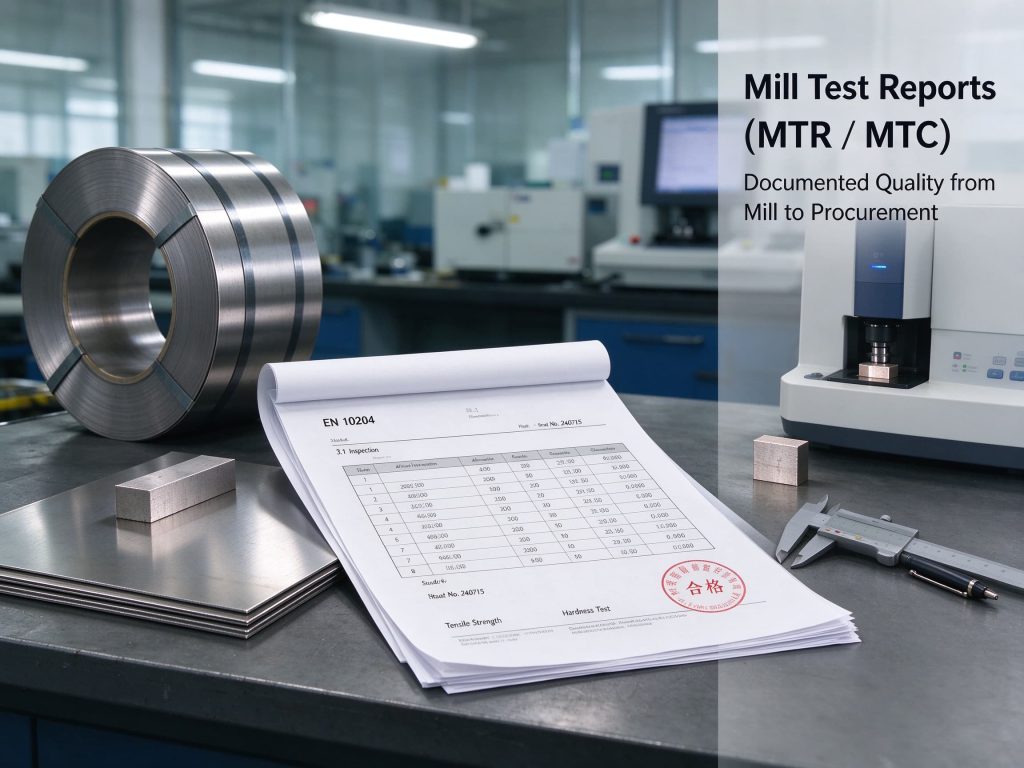
- Contaminant Control: Even trace amounts of sulfur, phosphorus, lead, and zinc can form low-melting-point liquid films that cause liquid metal embrittlement. Ensure strict cleaning protocols before any thermal operation, and verify mill test reports early using our nickel alloy procurement quality checks to avoid base metal trace impurities.
2. Filler Metal Selection & Joint Preparation
Choosing the right filler metal is rarely a simple “match the base metal” exercise.
- Overmatching vs. Matching: In many cases, filler metals are deliberately alloyed with higher levels of niobium, molybdenum, or chromium compared to the base metal to compensate for element loss during arc transfer and to improve weld deposit strength and corrosion resistance. When working with dissimilar grades, review the differences between Inconel, Hastelloy, Monel, and Incoloy to select an overmatched filler chemistry that avoids galvanic or dilution issues.
- Joint Design: Nickel alloys have higher fluid viscosity and lower thermal conductivity than carbon steels. Prepare joints with wider included angles (typically 70° to 80°) and slightly larger root openings to ensure proper root penetration and fusion without trapping slag.
- Mechanical Cleaning: Use dedicated stainless steel or tungsten carbide wire brushes—never use carbon steel tools, which can introduce iron contamination and compromise corrosion resistance.
3. Thermal Management & Interpass Control
Thermal control is the single most critical parameter during nickel alloy welding.
- Eliminate Preheat: Unlike high-strength carbon steels, nickel alloys generally do not require preheating. In fact, preheating is actively harmful as it prolongs the time spent in critical temperature ranges, promoting carbide precipitation and grain growth. Ambient temperature should be at least 15°C (60°F), and any moisture must be removed by gentle warming (hand-warm).
- Strict Interpass Temperature Limits: Maintain a strict interpass temperature limit—typically below 150°C (300°F) for most nickel alloys. Use temperature-indicating crayons or infrared pyrometers rather than guessing. Allow natural cooling or use compressed dry air; do not water-quench unless explicitly qualified by procedure specifications.
4. Common Post-Weld Treatment Pitfalls
Post-weld heat treatment (PWHT) rules for nickel alloys differ dramatically from carbon and low-alloy steels.
- Avoid Unnecessary Stress Relief: Most nickel alloys do not benefit from standard thermal stress relief and can suffer severe metallurgical damage (such as grain boundary embrittlement or intergranular precipitation of secondary phases) if heated improperly. Only perform PWHT when mandated by specific design codes or service requirements—for example, when comparing age-hardenable grades vs. solid-solution alloys in our Alloy 625 vs. Alloy 718 comparison.
- Pickling and Passivation: Welding creates high-temperature oxide scales that deplete chromium and nickel at the surface, drastically reducing corrosion resistance. Complete mechanical cleaning followed by pickling (using nitric-hydrofluoric acid mixtures) and thorough water rinsing is mandatory to restore the passive surface layer.
5. Field Maintenance & Repair Best Practices
Repairing in-service nickel alloy equipment requires accounting for operational degradation and chemical contamination.
- Thorough Defect Removal: Completely excavate cracks and defects using non-contaminating abrasive wheels or grinding burrs. Perform liquid penetrant testing (PT) to verify 100% defect removal before re-welding.
- Surface Decontamination: In-service equipment is often laden with process residues, sulfur compounds, or chlorides. Vapor degreasing followed by chemical cleaning is essential prior to striking an arc.
- Inspection Standards: Utilize radiography (RT) and ultrasonic testing (UT) alongside surface examination methods to catch internal micro-fissures early.
Mastering the welding, fabrication, and maintenance of nickel-based alloys requires a disciplined departure from carbon steel habits. By strictly controlling heat input, maintaining rigorous interpass temperature limits, eliminating unnecessary preheating and post-weld stress relief, and exercising absolute control over surface cleanliness, fabricators can consistently prevent hot cracking and early structural degradation. Adhering to these engineering best practices ensures that critical equipment achieves its maximum design life in the harshest industrial service environments.