As global energy infrastructure expands toward liquefied natural gas (LNG), liquid hydrogen, and advanced aerospace systems, equipment faces a severe physical challenge: ultra-low operating temperatures ranging from -162°C (-260°F) down to absolute zero (-269°C for liquid helium).
At these extreme temperatures, conventional carbon and low-alloy steels undergo a drastic ductile-to-brittle transition, risking catastrophic, shatter-type structural failures under load. To ensure structural integrity, engineers rely heavily on nickel-based superalloys, which maintain exceptional impact toughness, ductility, and strength in cryogenic environments.
This guide explores the metallurgical mechanisms behind cryogenic toughness, identifies which nickel grades excel in LNG and low-temperature pressure vessels, and highlights which materials to avoid.
1. The Metallurgy of Cryogenic Toughness: FCC vs. BCC
The fundamental reason standard carbon steels fail at sub-zero temperatures lies in their crystal structure:
- Body-Centered Cubic (BCC) Steels: Carbon steels and low-alloy structural steels possess a BCC lattice. As temperature plummets, dislocation movement is severely restricted, causing a sharp ductile-to-brittle transition temperature (DBTT). Below this threshold, the steel shatters like glass under sudden impact.
- Face-Centered Cubic (FCC) Nickel Alloys: Nickel and its high-alloy derivatives feature an FCC crystal structure. FCC lattices maintain multiple active slip systems regardless of temperature drop. Consequently, nickel alloys exhibit no DBTT, retaining high Charpy V-notch impact energy and ductility down to absolute zero.
2. Top-Performing Nickel Alloy Grades for Cryogenic Service
Selecting the correct grade for cryogenic storage tanks, piping, and heat exchangers depends on mechanical load requirements, corrosion resistance, and fabrication constraints.
- Monel 400 & Monel K-500: Known for their excellent performance in marine and chemical environments, these nickel-copper alloys show exceptional impact strength at cryogenic temperatures. They are frequently selected for handling liquefied gases where moderate strength and high resistance to stress corrosion cracking are required.
- Inconel 625 & Alloy 718: For high-pressure cryogenic vessels and aerospace liquid rocket components requiring high yield and tensile strength, solid-solution or precipitation-hardenable superalloys are indispensable. When balancing strength and weldability, engineers frequently evaluate the trade-offs outlined in our Alloy 625 vs. Alloy 718 material selection guide.
- Incoloy 800/825 & Specialized Austenitic Grades: Often utilized in industrial process cooling and cryogenic separation units where thermal expansion compatibility and corrosion resistance are paramount. Refer to a structured grade matrix like how to choose the right nickel alloy to match specific chemical and mechanical constraints.
3. Grades to Avoid or Use with Extreme Caution
Not all high-nickel or high-alloy materials are automatically suited for ultra-low temperature service:
- Unalloyed Carbon Steels & Low-Nickel Steels (<3.5% Ni) Below DBTT Limits: While 3.5% and 9% nickel steels are standard for specific LNG containment thresholds, ordinary carbon steels operated below their designated design minimum temperature (MDMT) will experience sudden brittle fracture.
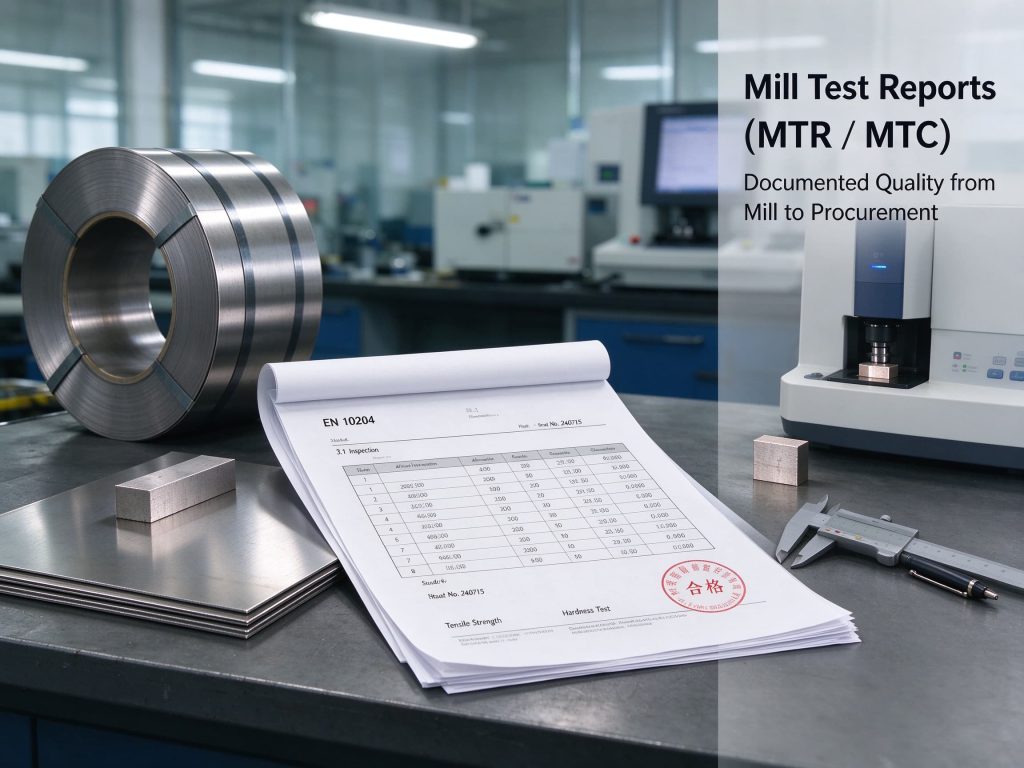
- Improperly Heat-Treated Precipitation-Hardening Alloys: Certain age-hardenable alloys can suffer from grain-boundary phase precipitation if thermal processing is poorly controlled, leading to localized embrittlement under cryogenic thermal shock. Always verify heat-treatment mill certifications prior to fabrication.
4. Fabrication and Welding Considerations for Cryogenic Vessels
Fabricating equipment destined for ultra-low temperature service leaves zero margin for metallurgical error:
- Filler Metal Matching: Weld deposits must match or exceed the base metal’s cryogenic impact toughness. Filler metals should be carefully selected to avoid micro-fissuring and solute segregation during solidification.
- Weld Cleanliness and Heat Input: Just like high-temperature applications, cryogenic welds require rigorous surface decontamination (removing grease, oxides, and sulfur traces) and strict control over heat input to prevent grain growth in the heat-affected zone (HAZ).
- Sub-Zero NDT Verification: Pressure vessels and piping systems must undergo stringent non-destructive testing (Radiographic Testing, Ultrasonic Testing) alongside low-temperature impact testing of weld qualification coupons to confirm zero internal defects before commissioning.
Cryogenic engineering leaves no room for compromise. By leveraging the stable face-centered cubic crystal structure of nickel-based alloys, equipment manufacturers can build reliable, high-integrity containers and piping systems for LNG and industrial gases. Proper grade selection, combined with strict welding discipline and metallurgical quality control, ensures decades of safe operation under the most punishing low-temperature conditions.