Sourcing stainless steel plates for industrial, construction, or manufacturing projects is a high-stakes decision. Substandard alloys, inaccurate dimensions, or delayed shipments can halt production lines and inflate project costs. Whether you are procuring materials for heavy structural applications, chemical processing equipment, or architectural fabrication, partnering with the right supplier is critical to your bottom line.
Here is a practical checklist of seven essential factors to consider when evaluating a stainless steel plate supplier.
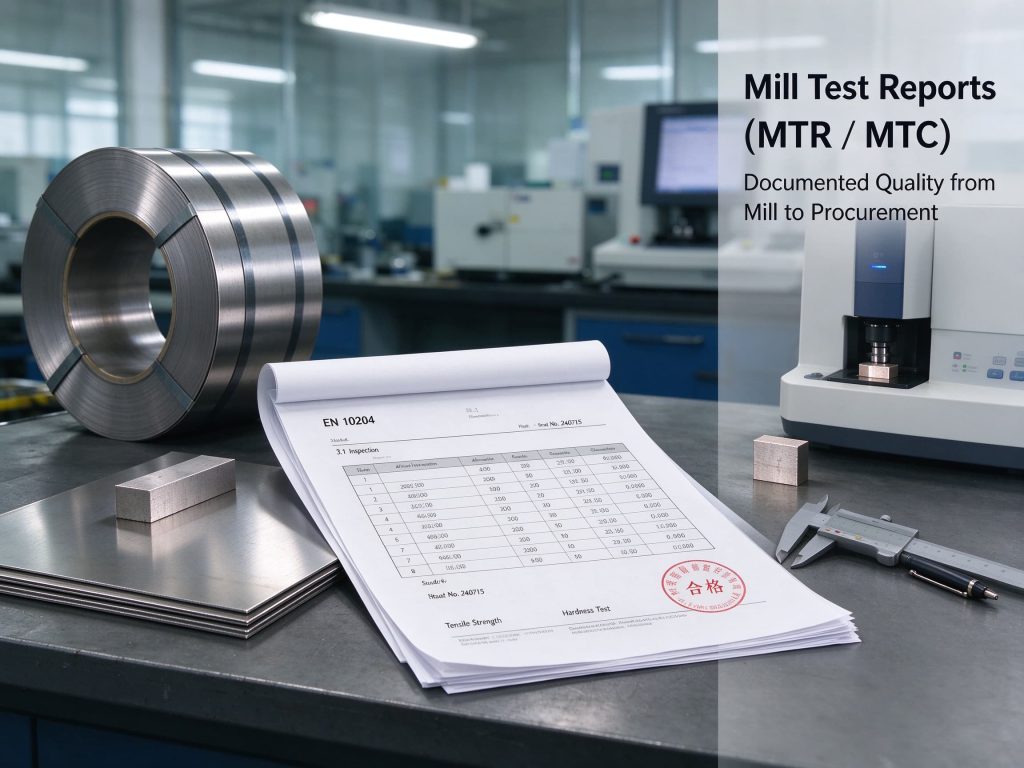
- Verify Material Traceability and Quality Certifications Never compromise on material verification. A reputable supplier should provide 100% traceability from the mill to your receiving dock. Always ask if they supply an original Mill Test Certificate (MTC) compliant with EN 10204 3.1 standards. This document confirms the exact chemical composition and mechanical properties of the steel, ensuring that grades like 304, 304L, 316L, or duplex stainless steels meet international standards such as ASTM A240, ASME, EN, or JIS.
- Evaluate Product Range and Inventory Depth Working with a supplier that carries a comprehensive product catalog saves time and streamlines logistics. Beyond standard flat plates, check whether they maintain ready stock across various thicknesses, widths, and specialized finishes.
For instance, heavy-duty structural and pressure vessel projects often require hot rolled stainless steel plate for its strength and thickness range. If your project involves industrial flooring, walkways, or anti-slip surfaces, look for a supplier that stocks specialized profiles like stainless steel checker plate or stainless steel clad plate for corrosion-resistant structural bonding. Having access to a complete selection of stainless steel plate and complementary stainless steel sheet options under one roof reduces the hassle of managing multiple vendors.
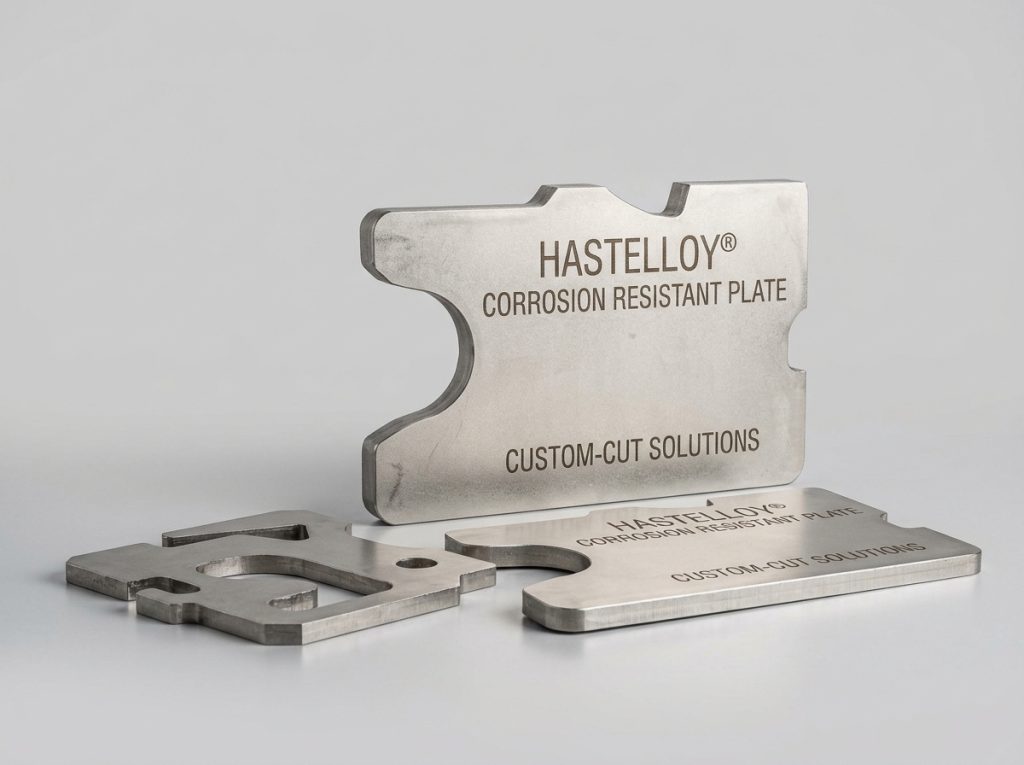
- Assess In-House Processing Capabilities Raw plates rarely go straight into final assembly without preparation. A value-added supplier equipped with in-house processing machinery can significantly reduce your downstream fabrication costs and lead times. Look for capabilities such as:
- Precision laser cutting, plasma cutting, and waterjet cutting
- Custom shearing and slitting to exact tolerances
- Surface finishing (No. 1, 2B, BA, No. 4 brushed, mirror polishing)
- Edge beveling for welding preparation
- Check Export Experience and Packaging Standards If you are sourcing internationally, logistics expertise is just as important as metal quality. Stainless steel surfaces are vulnerable to scratches, moisture staining, and edge damage during ocean freight. Experienced global suppliers understand proper export packaging—using PVC protective films, waterproof kraft paper, reinforced steel strapping, and fumigated wooden pallets or crates. Additionally, verify that their team is well-versed in export documentation, customs clearance, and flexible Incoterms (FOB, CIF, DDP).
- Look for Technical Expertise and Responsive Communication When technical questions arise regarding grade selection, corrosion resistance in harsh environments, or weldability, you need a supplier whose team speaks the language of metallurgy. Pay attention to how quickly and thoroughly they respond to your initial Request for Quote (RFQ). A reliable partner will review your drawings, clarify tolerances upfront, and provide transparent, itemized quotes without hidden fees.
- Review Inspection Policies and Third-Party Testing A confident supplier welcomes scrutiny. Before finalizing a large order, ask about their internal quality control procedures, such as ultrasonic testing (UT), PMI (Positive Material Identification) testing, and dimensional checks. They should also be open to accommodating third-party inspections from agencies like SGS, BV, TUV, or Lloyd’s Register prior to shipment.
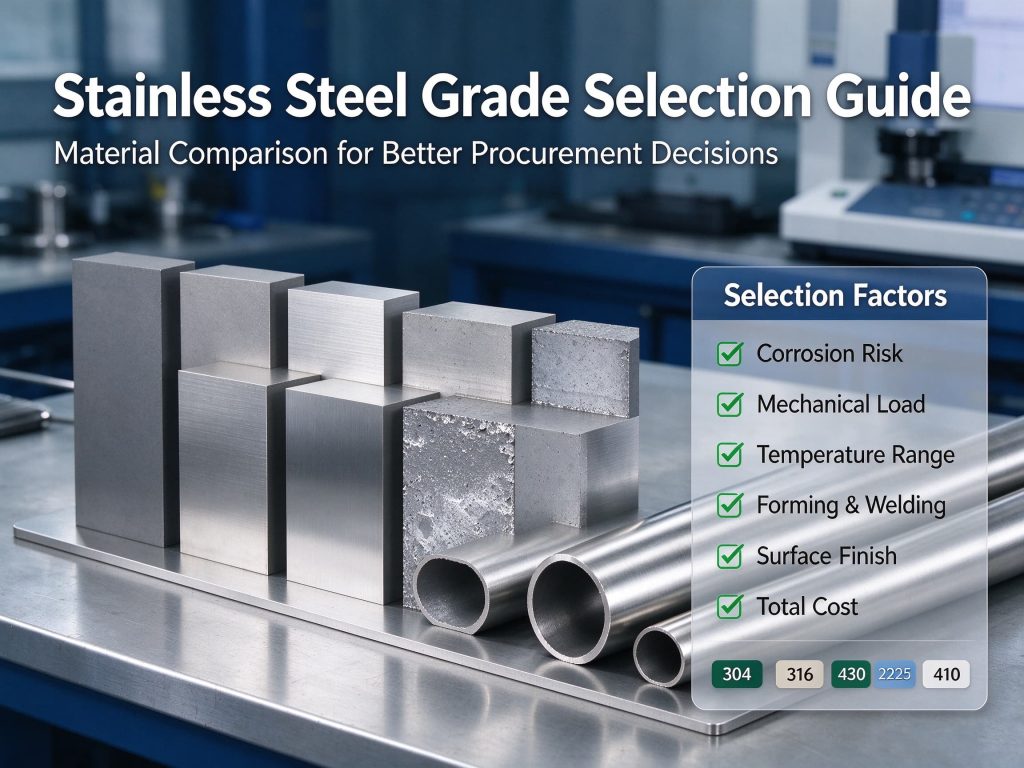
- Balance Competitive Pricing with Total Cost of Ownership While budget is always a priority, the lowest unit price on paper can quickly become the most expensive option if the material fails inspection or arrives weeks late. Evaluate suppliers based on Total Cost of Ownership (TCO)—factoring in material consistency, yield rates after cutting, on-time delivery track records, and after-sales support.
Partner with a Trusted Global Metal Supplier Choosing the right supplier comes down to proven reliability, strict quality assurance, and technical capability. At Detect Metals, we specialize in supplying high-grade stainless steel products tailored to global industrial standards. With full EN 10204 3.1 MTC traceability, custom laser cutting and surface processing, and extensive export experience across 50+ countries, our team is ready to support your next project.
Contact us today with your specifications or drawings for a fast, competitive quote.