Nickel alloys deliver exceptional corrosion resistance and high-temperature strength—but only if they are fabricated, welded and maintained correctly. Many premature nickel alloy component failures are not caused by bad material, but by improper processing that degrades the alloy’s inherent properties. Poor welding technique, wrong tooling or careless surface preparation can introduce cracks, corrosion susceptibility and hidden structural defects.
This guide covers the core best practices for welding, machining, forming and maintaining nickel alloys to ensure they perform as designed over their full service life.
Welding nickel alloys: avoid the most common failure causes
Nickel alloys are weldable, but they behave differently from carbon steel or stainless steel. The two biggest risks are hot cracking and loss of corrosion resistance.
Key welding guidelines:
- Absolute surface cleanliness is mandatory Nickel alloys are extremely sensitive to contamination by oil, grease, paint, sulfur, lead and other low-melting-point substances. Even fingerprint residue can cause intergranular cracking during welding.
- Clean both sides of the joint thoroughly with a suitable solvent
- Use dedicated stainless steel or nickel alloy wire brushes—never use brushes previously used on carbon steel
- Mark material only with approved markers, not regular wax pencils
- Select matching filler metal Always use a filler metal grade designed for the base alloy. Using a cheaper or mismatched filler is the single most common cause of weld zone corrosion failure.
- Example: Inconel 625 base metal → ERNiCrMo-3 filler
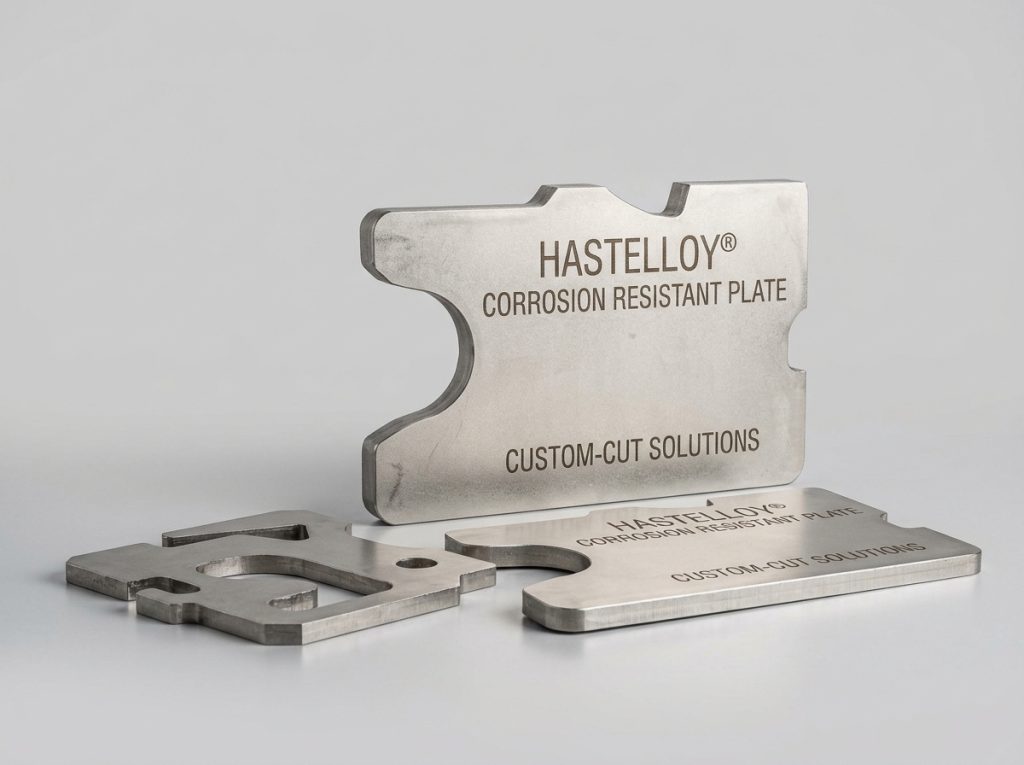
- Example: Hastelloy C276 base metal → ERNiCrMo-4 filler
- Control heat input and interpass temperature Most nickel alloys do not require preheating, but excessive heat input causes grain growth and reduces corrosion resistance.
- Keep interpass temperatures low (typically below 120°C for most corrosion-resistant grades)
- Use stringer beads instead of wide weave beads
- Allow adequate cooling between passes
- Shielding gas coverage Use high-purity argon or argon-hydrogen shielding gas for GTAW/TIG and GMAW/MIG. Back-purging is required for pipe and tube welding to prevent oxidation on the root side and preserve corrosion resistance.
Machining nickel alloys: overcome work hardening
Nickel alloys are notorious for work hardening—they harden rapidly under cutting pressure, leading to rapid tool wear and poor surface finish if machined incorrectly.
Machining best practices:
- Use rigid tooling and robust machine setup to minimize chatter and vibration
- Choose sharp, positive-rake carbide or ceramic cutting tools
- Use heavy, constant feeds rather than light, intermittent cuts
- Apply generous amounts of appropriate cutting fluid for cooling and lubrication
- Avoid dwelling the tool on the workpiece surface
Cold forming and bending
Most nickel alloys have good ductility and can be cold formed, but they have higher springback than stainless steel.
- Allow for greater springback in bend die design
- Severe cold forming should be followed by appropriate solution annealing to restore ductility and corrosion resistance
- Clean all surfaces thoroughly before hot forming to prevent surface contamination
In-service maintenance and corrosion prevention
Even correctly fabricated nickel alloys require proper maintenance to achieve full service life.
- Avoid galvanic corrosion Do not couple nickel alloys directly with less noble metals (carbon steel, aluminum) in conductive electrolytes like seawater. Use insulated flanges or appropriate transition joints.
- Clean after exposure to chlorides If equipment is shut down, flush chloride-containing process fluids with clean water to prevent concentrated brine formation during drying.
- Periodic inspection Focus NDT inspection on welds, crevices and heat-affected zones, where corrosion and cracking are most likely to initiate.
- Repair welding Follow the same cleanliness and procedure requirements as original fabrication. Remove all cracks and defects completely before depositing repair weld metal.
Start with quality base material
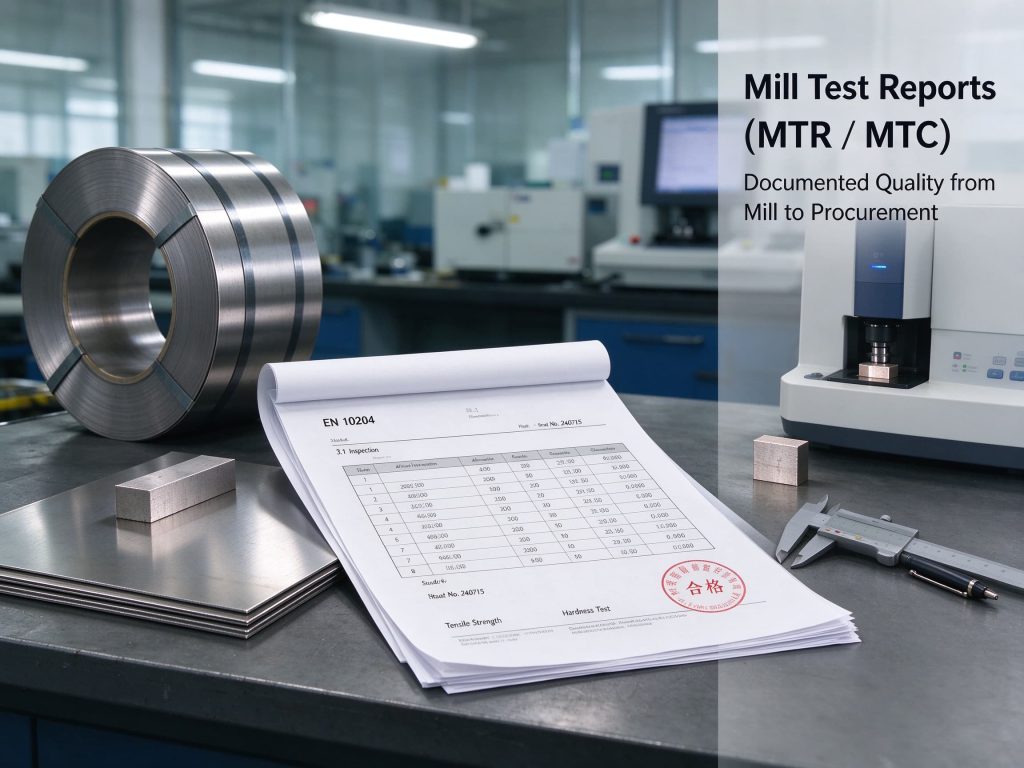
Even perfect fabrication cannot compensate for substandard raw material. Detect Metals supplies high-quality, fully certified nickel alloy plate, sheet, bar, tube and pipe from reputable mills, all suitable for welding and fabrication to industry standards.
For our complete range of weldable and fabricable nickel alloy products, visit the Nickel Alloy. If you need technical support on fabrication procedures for a specific grade, our team is available to assist.