Grade: 316/UNS S31600
316 stainless steel is a molybdenum-containing austenitic stainless steel developed to provide improved corrosion resistance
compared with 304 stainless steel, especially in chloride-containing and chemical environments. The addition of molybdenum
significantly enhances resistance to pitting and crevice corrosion, making 316 one of the most widely used stainless steel grades
for marine, chemical processing, pharmaceutical, and industrial applications.
The alloy typically contains approximately 16–18% chromium, 10–14% nickel, and 2–3% molybdenum. Chromium provides the passive
oxide film responsible for corrosion protection, nickel stabilizes the austenitic structure and improves toughness, while
molybdenum increases resistance to localized corrosion and improves high-temperature strength.
316 stainless steel has excellent fabrication characteristics, including good weldability, formability, and toughness. It remains
non-magnetic in the annealed condition and maintains good mechanical properties over a wide temperature range. Compared with 316L,
316 has a higher carbon content, which can provide slightly higher strength but requires more consideration regarding welding and
carbide precipitation at elevated temperatures.
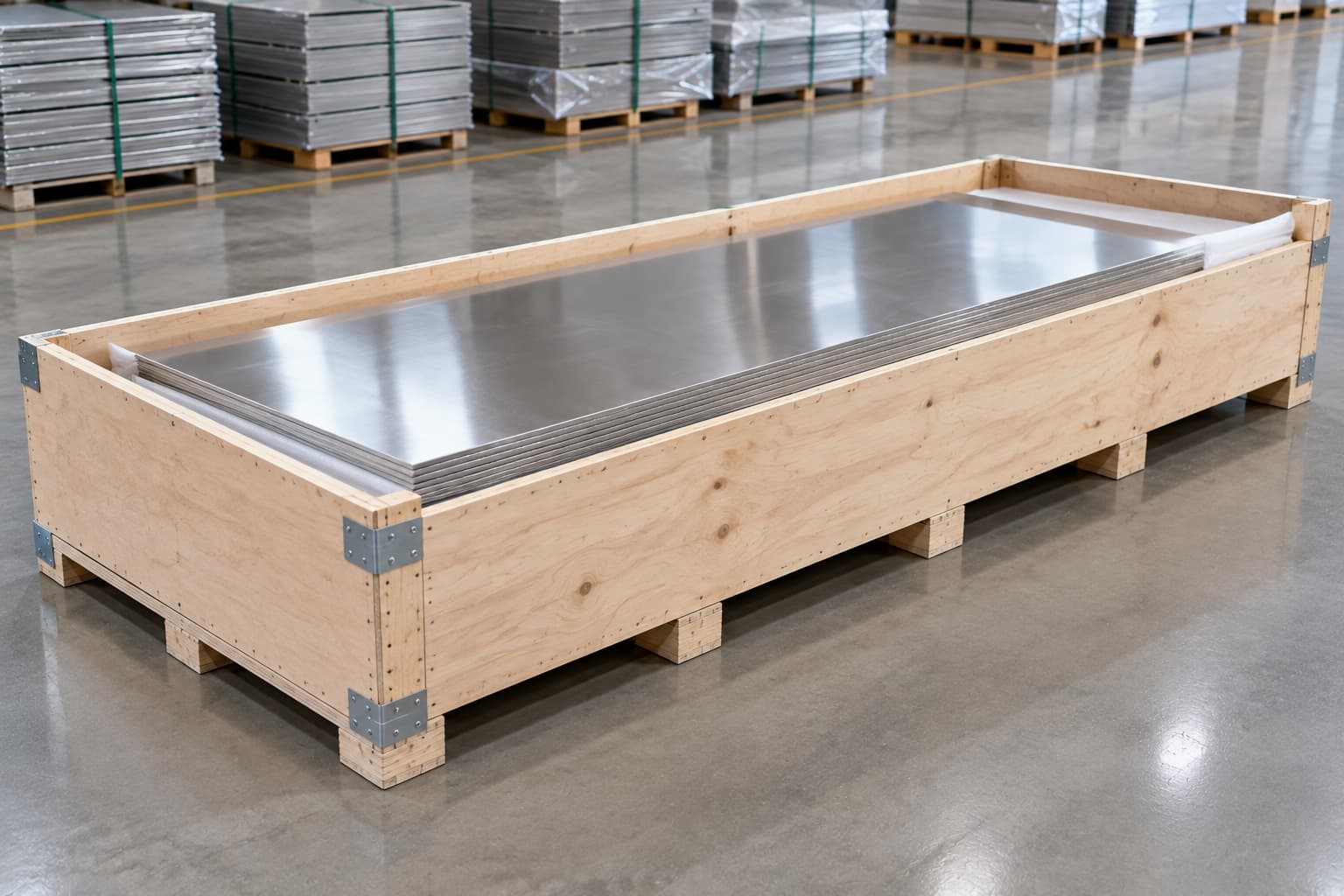
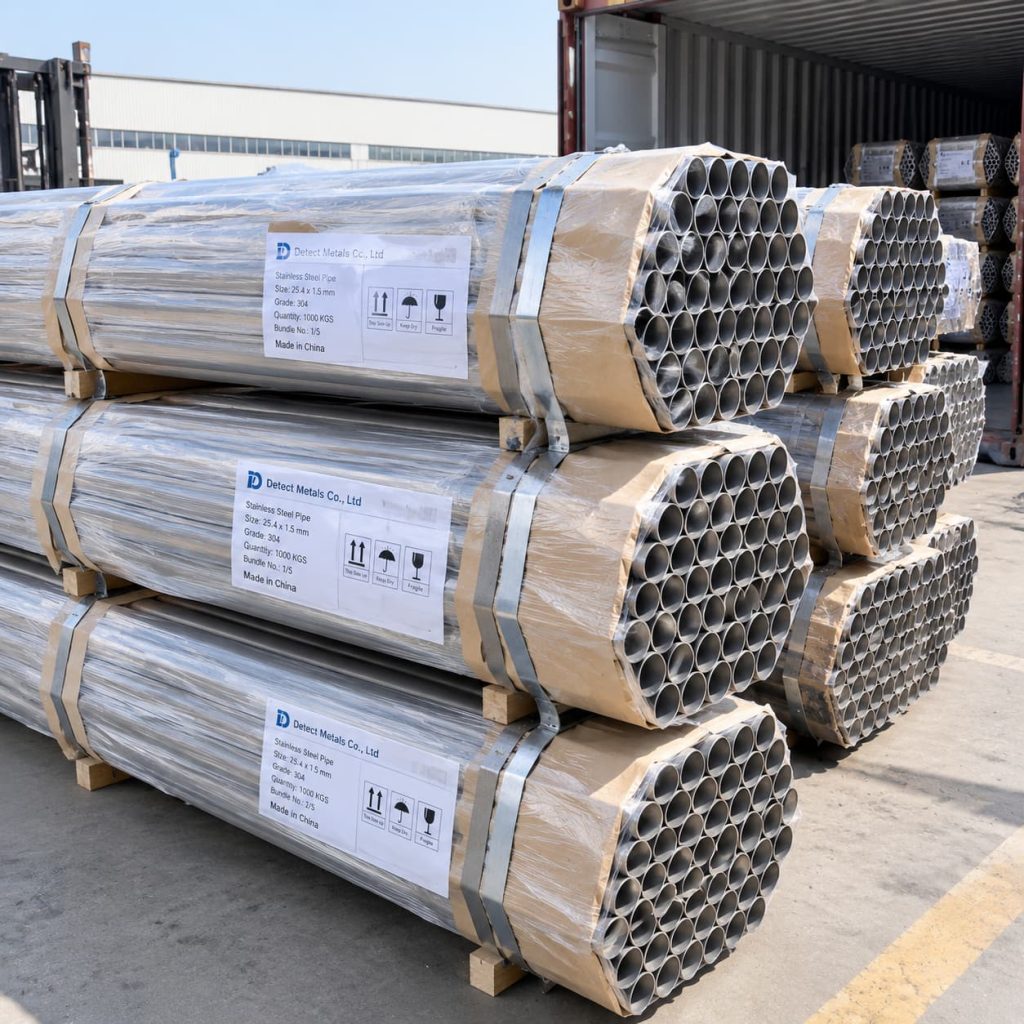
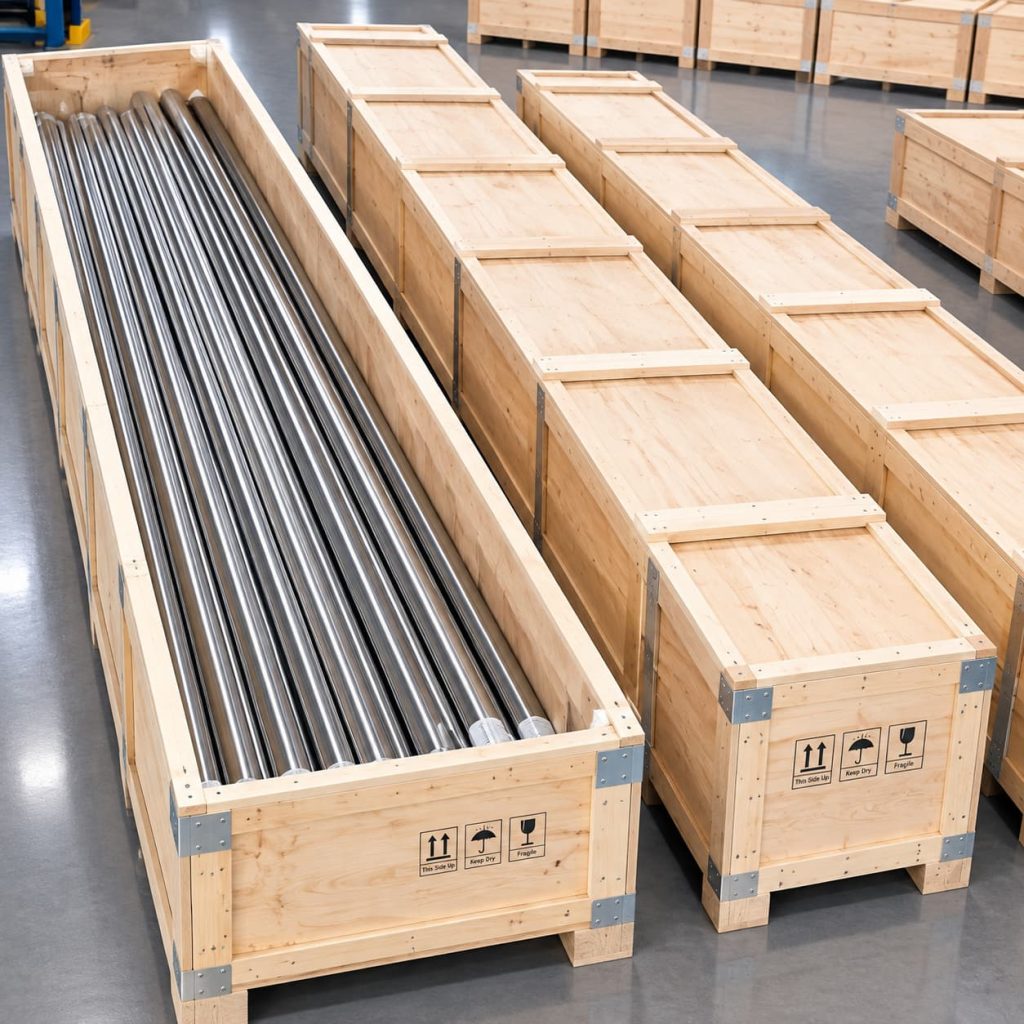
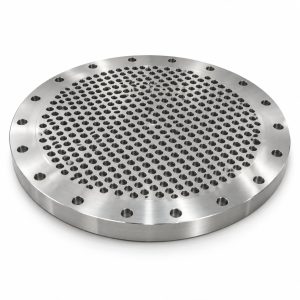
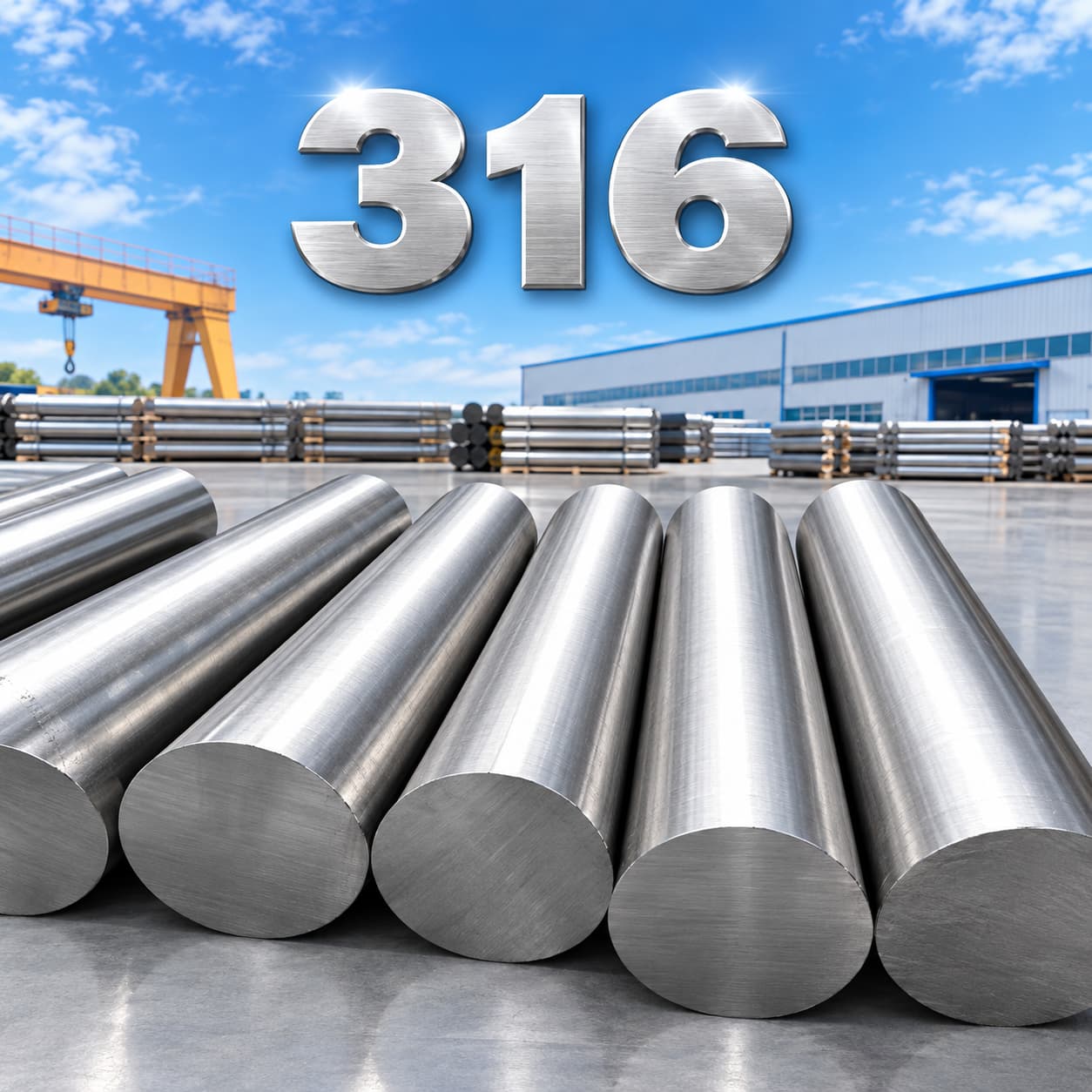
316 is widely supplied in bars, plates, sheets, pipes, and fittings. Stainless steel bars manufactured according to ASTM, JIS, and
EN standards are commonly used for shafts, valves, pumps, fasteners, fittings, and precision industrial components requiring
superior corrosion resistance.
Standard Designations
| Standard | Designation |
| ASTM / UNS | Type 316 / UNS S31600 |
| JIS | SUS316 |
| EN | 1.4401 / X5CrNiMo17-12-2 |
Bar Production Standards
| Standard | Description |
| ASTM A276/A276M | Stainless Steel Bars and Shapes |
| ASTM A479/A479M | Stainless Steel Bars and Shapes for Pressure Vessel Service |
| ASTM A484/A484M | General Requirements for Stainless Steel Bars |
| JIS G4303 | Stainless Steel Bars |
| EN 10088-3 | Stainless Steel Bars and Rods |
Chemical Composition (Typical wt.%)
| Element | Value |
| Carbon (C) | ≤0.08 |
| Chromium (Cr) | 16.00-18.00 |
| Nickel (Ni) | 10.00-14.00 |
| Molybdenum (Mo) | 2.00-3.00 |
| Manganese (Mn) | ≤2.00 |
| Silicon (Si) | ≤1.00 |
| Phosphorus (P) | ≤0.045 |
| Sulfur (S) | ≤0.030 |
| Iron (Fe) | Balance |
Mechanical Properties (Annealed Condition)
| Property | Value |
| Tensile Strength | ≥515 MPa |
| Yield Strength (0.2% Offset) | ≥205 MPa |
| Elongation | ≥40% |
| Hardness (Brinell) | ≤217 HB |
| Hardness (Rockwell B) | ≤95 HRB |
| Density | Approx. 8.0 g/cm³ |
| Modulus of Elasticity | Approx. 193 GPa |
- Chemical processing equipment
- Marine equipment
- Pharmaceutical equipment
- Food processing equipment
- Heat exchangers
- Pressure vessels
- Pumps and valves
- Seawater service components
- Industrial piping systems
- Architectural applications
316 stainless steel is a molybdenum-containing austenitic stainless steel developed to provide improved corrosion resistance
compared with 304 stainless steel, especially in chloride-containing and chemical environments. The addition of molybdenum
significantly enhances resistance to pitting and crevice corrosion, making 316 one of the most widely used stainless steel grades
for marine, chemical processing, pharmaceutical, and industrial applications.
The alloy typically contains approximately 16–18% chromium, 10–14% nickel, and 2–3% molybdenum. Chromium provides the passive
oxide film responsible for corrosion protection, nickel stabilizes the austenitic structure and improves toughness, while
molybdenum increases resistance to localized corrosion and improves high-temperature strength.
316 stainless steel has excellent fabrication characteristics, including good weldability, formability, and toughness. It remains
non-magnetic in the annealed condition and maintains good mechanical properties over a wide temperature range. Compared with 316L,
316 has a higher carbon content, which can provide slightly higher strength but requires more consideration regarding welding and
carbide precipitation at elevated temperatures.
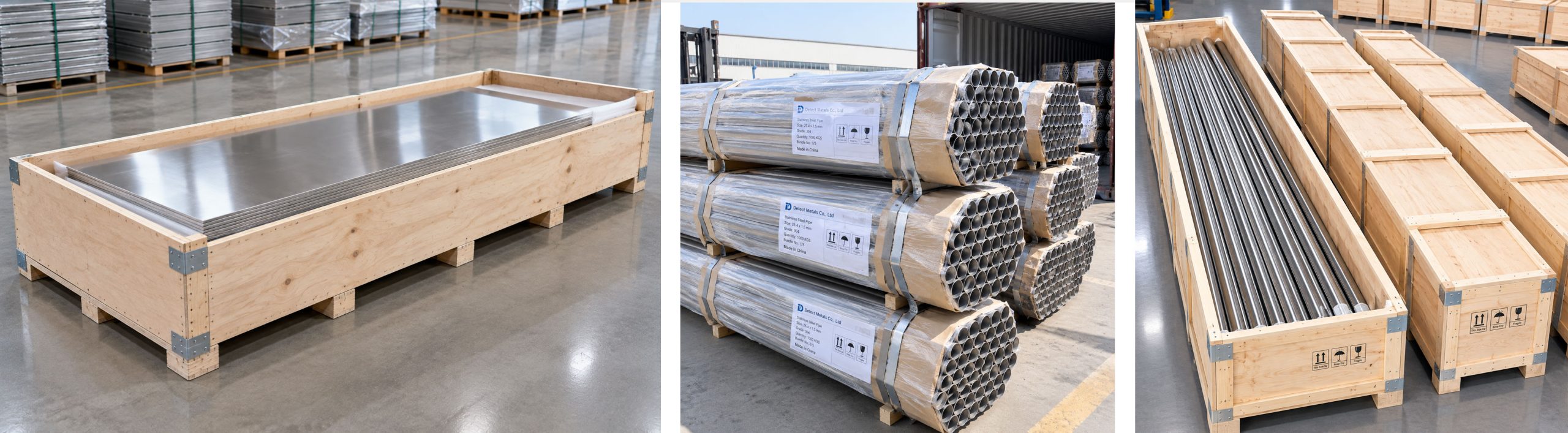
316 is widely supplied in bars, plates, sheets, pipes, and fittings. Stainless steel bars manufactured according to ASTM, JIS, and
EN standards are commonly used for shafts, valves, pumps, fasteners, fittings, and precision industrial components requiring
superior corrosion resistance.
Standard Designations
| Standard | Designation |
| ASTM / UNS | Type 316 / UNS S31600 |
| JIS | SUS316 |
| EN | 1.4401 / X5CrNiMo17-12-2 |
Bar Production Standards
| Standard | Description |
| ASTM A276/A276M | Stainless Steel Bars and Shapes |
| ASTM A479/A479M | Stainless Steel Bars and Shapes for Pressure Vessel Service |
| ASTM A484/A484M | General Requirements for Stainless Steel Bars |
| JIS G4303 | Stainless Steel Bars |
| EN 10088-3 | Stainless Steel Bars and Rods |
Chemical Composition (Typical wt.%)
| Element | Value |
| Carbon (C) | ≤0.08 |
| Chromium (Cr) | 16.00-18.00 |
| Nickel (Ni) | 10.00-14.00 |
| Molybdenum (Mo) | 2.00-3.00 |
| Manganese (Mn) | ≤2.00 |
| Silicon (Si) | ≤1.00 |
| Phosphorus (P) | ≤0.045 |
| Sulfur (S) | ≤0.030 |
| Iron (Fe) | Balance |
Mechanical Properties (Annealed Condition)
| Property | Value |
| Tensile Strength | ≥515 MPa |
| Yield Strength (0.2% Offset) | ≥205 MPa |
| Elongation | ≥40% |
| Hardness (Brinell) | ≤217 HB |
| Hardness (Rockwell B) | ≤95 HRB |
| Density | Approx. 8.0 g/cm³ |
| Modulus of Elasticity | Approx. 193 GPa |
- Chemical processing equipment
- Marine equipment
- Pharmaceutical equipment
- Food processing equipment
- Heat exchangers
- Pressure vessels
- Pumps and valves
- Seawater service components
- Industrial piping systems
- Architectural applications