Seawater is one of the most relentless corrosive environments on Earth. For marine vessels, offshore platforms, and desalination plants, material degradation isn’t just a maintenance headache—it’s a safety and economic threat. Ordinary carbon steel rusts rapidly in saltwater; even standard stainless steels succumb to pitting, crevice corrosion, and stress corrosion cracking within months. That’s why engineers turn to nickel alloys as the gold-standard solution for long-term performance in marine and saltwater processing environments.
At Detect Metals, we supply a full range of corrosion-resistant nickel alloys purpose-built to withstand the unique challenges of seawater, brines, and coastal atmospheres. In this article, we break down which nickel alloys perform best in marine and desalination applications, and why they deliver unmatched service life compared to alternative materials.
Why Seawater Destroys Conventional Metals
Seawater contains roughly 3.5% dissolved salt, primarily sodium chloride. The chloride ions in seawater are highly aggressive: they penetrate passive oxide layers on steel and stainless steel, triggering localized corrosion that can cause sudden, catastrophic failure. Additional factors such as temperature fluctuations, microbial activity, sediment abrasion, and cavitation accelerate degradation even further.
For marine structures and desalination equipment, failure can mean leaks, structural compromise, unplanned downtime, and costly replacement. Nickel alloys solve this problem by forming stable, self-healing protective surfaces that resist chloride attack over decades of service.
Top Nickel Alloys for Marine Engineering
Marine engineering covers everything from ship hulls and propeller shafts to offshore platform risers, seawater piping, and valve systems. Each application has its own mechanical and corrosion requirements.
Monel Alloys – The Classic Marine Workhorse Monel alloys, particularly Monel 400 (UNS N04400), are synonymous with marine service. As a nickel-copper solid-solution alloy, Monel 400 exhibits exceptional resistance to both stagnant and high-velocity seawater, with a proven track record of 50+ year service lives in submerged components.
- Key benefits: Excellent resistance to seawater corrosion, cavitation, and biofouling; high tensile strength and toughness across a wide temperature range; good weldability and formability.
- Common marine uses: Propeller shafts, seawater valves and pump bodies, piping systems, heat exchanger tubing, fasteners, hull fittings, and anchor cables.
- Upgrade option: Monel K500 adds aluminum and titanium for precipitation hardening, delivering higher strength and hardness for shafts, springs, and valve trim.
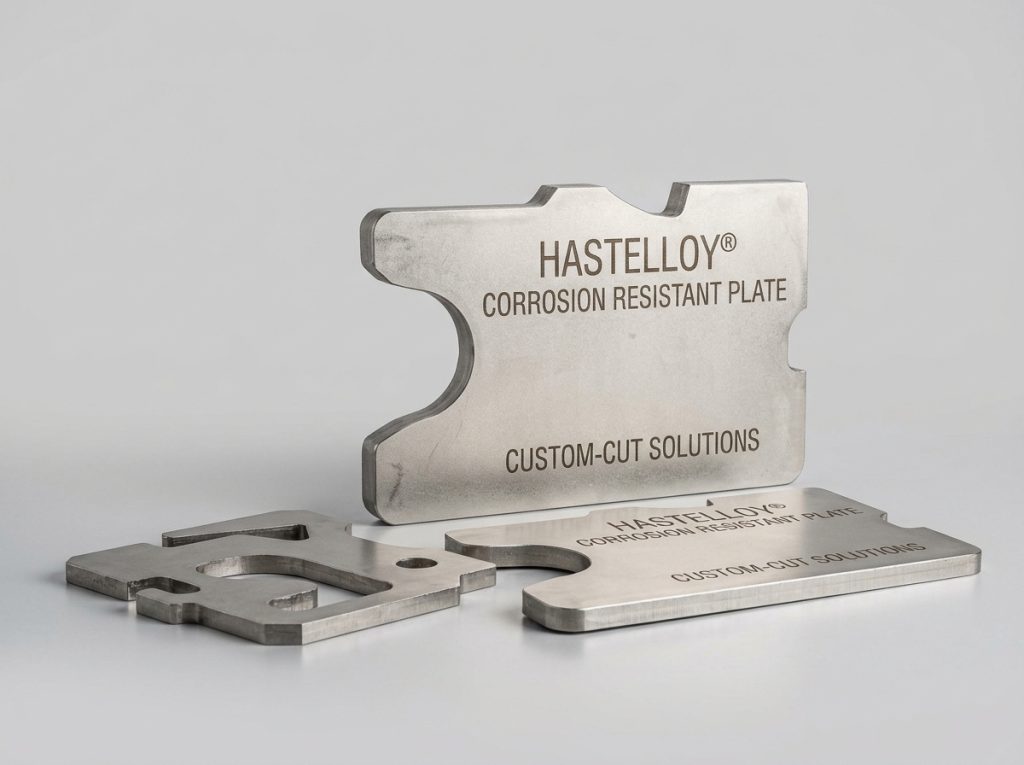
Hastelloy Alloys – For Severe Marine Corrosion Conditions In the harshest marine environments—such as deep-sea operations, sour service, or desalination brine concentrators—even Monel may reach its limits. Hastelloy grades like C276 and C22 offer upgraded resistance to pitting, crevice corrosion, and stress corrosion cracking in hot, high-chloride conditions.
- Key benefits: Unmatched resistance to localized corrosion in hot brines; performs well in mixed chemical-seawater environments; tolerates oxidizing and reducing conditions.
- Common marine uses: Offshore oilfield produced water handling, desalination evaporator tubes, high-pressure reverse osmosis components, and subsea chemical injection systems.
Incoloy Alloys – Balanced Performance for Coastal Infrastructure Incoloy alloys such as 825 and 800HT provide a cost-effective middle ground between stainless steel and premium nickel alloys. They offer good seawater resistance combined with high strength and excellent fabrication characteristics.
- Key benefits: Resists general and localized corrosion in brackish and seawater; good mechanical properties at moderate temperatures; easier to source and machine than higher-alloy grades.
- Common marine uses: Coastal heat exchangers, cooling water systems, tank linings, and structural components in desalination pre-treatment systems.
Nickel Alloys in Desalination: Enabling Global Freshwater Production
Desalination is one of the fastest-growing industrial applications for nickel alloys. As populations grow and freshwater scarcity worsens, plants worldwide rely on multi-stage flash (MSF) distillation and reverse osmosis (RO) to turn seawater into drinking water. Both processes expose equipment to hot, concentrated brines that rapidly corrode lesser materials.
- MSF desalination: Titanium and copper-nickel alloys are common, but nickel alloys like Hastelloy C276 and Monel 400 are preferred for the hottest brine zones and heat exchanger tubes where corrosion rates must be near zero for 20+ year plant lifespans.
- RO desalination: High-pressure pumps, piping, and pressure vessels use nickel alloy components to resist chloride stress corrosion cracking at operating pressures up to 80 bar.
- Brine disposal systems: Nickel alloys handle concentrated reject brine that would quickly destroy 316 stainless steel.
Why Nickel Alloys Deliver Superior Total Cost of Ownership
While nickel alloys have a higher upfront material cost than stainless steel or carbon steel, they deliver dramatically lower lifetime cost in marine and desalination service:
- Longer service life: 20–50+ years vs. 2–10 years for stainless steel in severe seawater service
- Less maintenance: Fewer inspections, repairs, and replacements
- Reduced downtime: Fewer unplanned shutdowns for corroded components
- Higher reliability: Lower risk of catastrophic failure in safety-critical systems
Marine & Desalination Nickel Alloy Supply from Detect Metals
Detect Metals supplies marine-grade nickel alloys to shipyards, offshore operators, desalination EPCs, and water treatment companies worldwide. We stock Monel, Hastelloy, and Incoloy products in all standard forms—seamless tube, pipe, bar, sheet, plate, and coil—with custom cutting and precision machining available to your exact specifications.
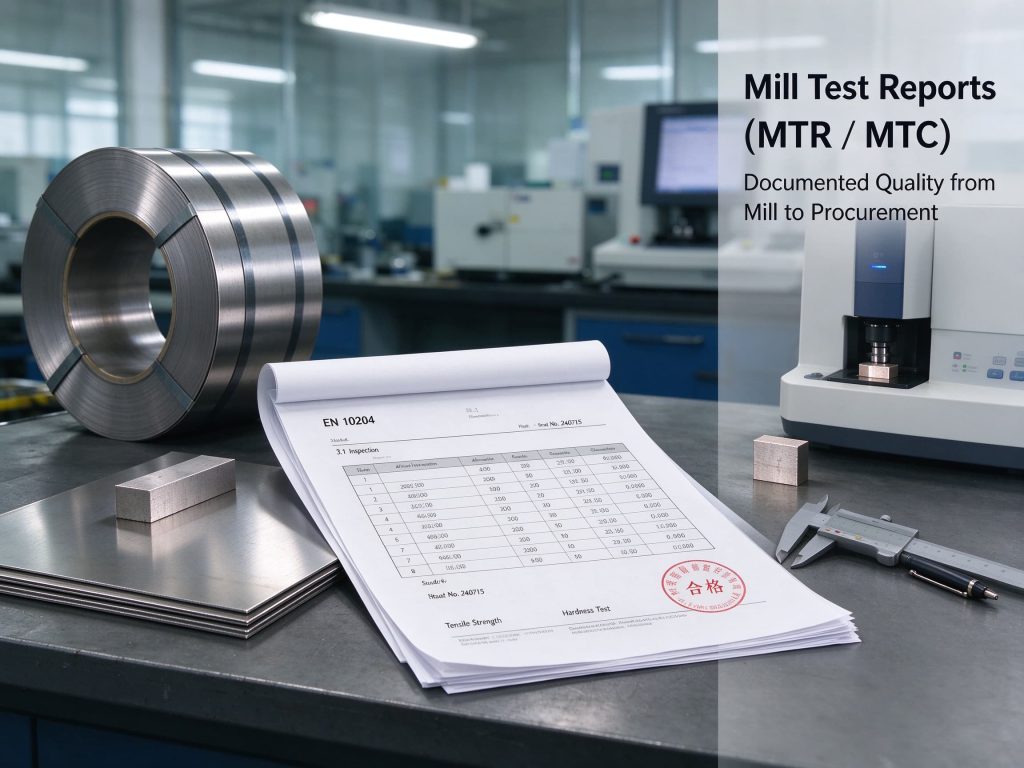
Every shipment includes full mill test certificates for complete material traceability, meeting ASTM, ASME, and NACE international standards. Whether you’re retrofitting a seawater cooling system or building a new desalination plant, our metallurgy team can help you select the optimal alloy grade and form for your operating conditions.
Contact Detect Metals today to discuss your marine or desalination project and receive a competitive wholesale quote.