Procuring and fabricating nickel alloys represents a massive capital expenditure for chemical processing, power generation, and marine equipment. When budgets tighten, the knee-jerk reaction is often to shop around for cheaper metal distributors. However, pure price-shopping frequently backfires, leading to premature corrosion failure, fabrication delays, or compliance rejections.
True cost optimization is an engineering discipline. By rethinking material selection, structural design, product forms, and procurement workflows, manufacturers can trim project expenses significantly without sacrificing service lifespan.
1. Strategic Material Substitution & Grade Down-Selection
Over-specification is one of the most silent budget drains in industrial manufacturing. Engineers often default to high-nickel superalloys (such as C-276 or Alloy 625) out of habit, even when milder operating windows allow for more cost-effective alternatives.
- Evaluate Actual Corrosive Severity: Review chemical concentration, temperature peaks, and contaminant spikes. If a less expensive solid-solution alloy or a lean stainless steel can handle the operating envelope 95% of the time, evaluate hybrid designs or localized corrosion barriers.
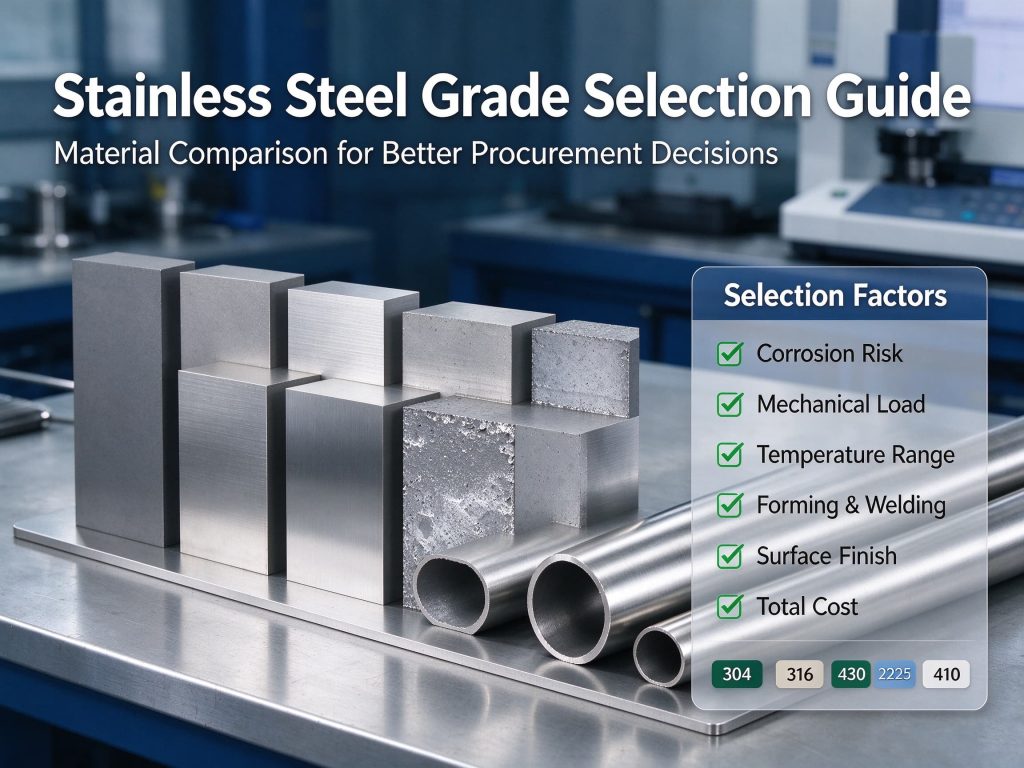
- Utilize Structured Selection Guides: Refer to a practical grade selection guide for engineers to cross-reference mechanical and pitting resistance equivalent numbers (PREN) before locking in expensive high-molybdenum grades.
2. Deploying Clad Plate & Composite Solutions
For large-scale pressure vessels, heat exchangers, and reactors, using solid high-nickel plate throughout the entire wall thickness is financially prohibitive.
- Roll-Bonded and Explosion-Bonded Clad: Utilize a structural carbon or low-alloy steel backing (such as SA-516 Grade 70) for mechanical strength, bonded with a thin layer (typically 2mm to 4mm) of corrosion-resistant nickel alloy on the process side.
- Cost-to-Performance Ratio: This approach delivers 100% of the required internal corrosion resistance while slashing raw material costs by up to 50% on heavy-wall components.
3. Optimizing Product Forms and Minimizing Scrap Waste
Buying standard mill sizes and cutting them down on the shop floor generates massive scrap rates—and nickel scrap recovery rarely matches initial sheet or plate purchase prices.
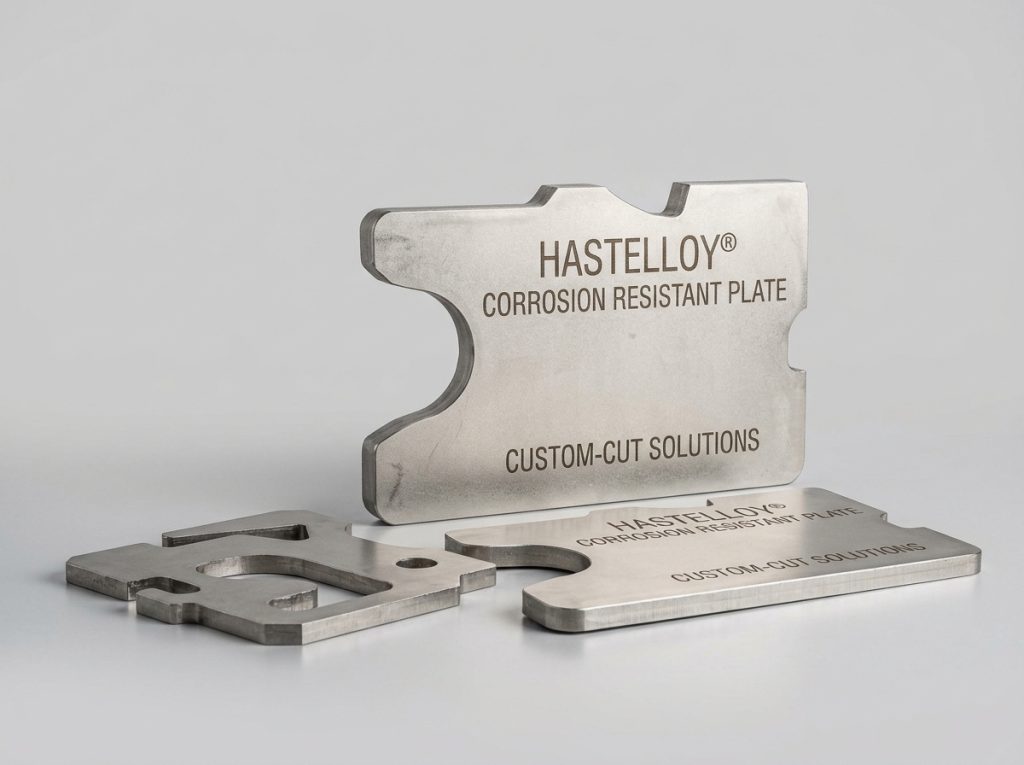
- Precision Pre-Sizing: Work with suppliers offering custom cutting (waterjet, plasma, or laser) to net dimensions.
- Leverage Comprehensive Procurement Frameworks: A sound nickel alloy procurement guide highlights the importance of matching structural shape (plate, bar, seamless vs. welded tubing) directly to your final machining allowances to eliminate expensive material loss.
4. Mitigating Supply Chain & Quality Risks
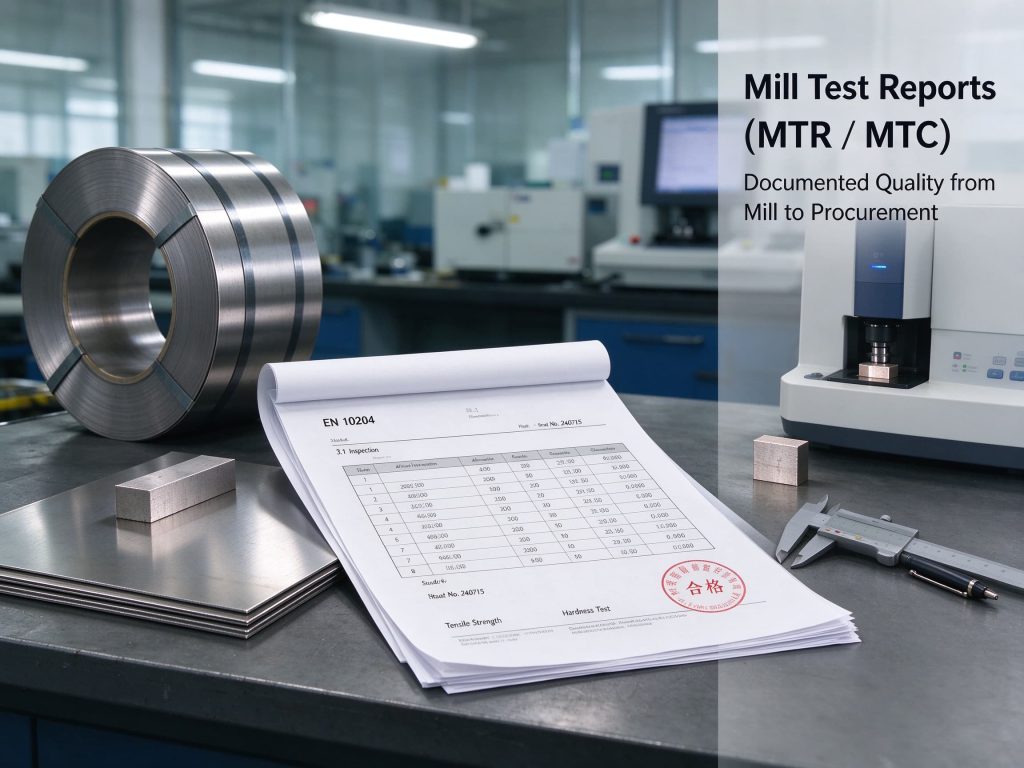
The cheapest material is the one that passes inspection on the first try and doesn’t fail in the field. Hidden costs from non-conforming mill test reports (MTRs), trace impurity rejections, or delayed lead times can torpedo project margins instantly.
- Upfront Verification: Implement strict incoming quality controls. Reference nickel alloy procurement quality checks to verify chemical composition, surface finish, and heat treatment certifications before handing material over to fabrication.
- Lead-Time Hedging: Nickel and cobalt pricing fluctuate with global metal markets. Partnering with stocking distributors for scheduled deliveries protects your cash flow from sudden spot-market surges.
Reducing project expenses with nickel alloys requires shifting focus from unit price to total lifecycle value. By eliminating over-specification, utilizing clad composites, optimizing product forms to cut scrap, and enforcing rigorous quality checks at the procurement stage, engineering teams can build robust, long-lasting equipment while keeping budgets firmly under control.