Dissimilar metal welding—such as joining nickel-based superalloys or nickel-clad plates to carbon steel, low-alloy steel, or standard stainless steel—is a cornerstone of modern pressure vessel and process equipment manufacturing. These joints allow engineers to pair cost-effective structural strength on the outside with exceptional corrosion or high-temperature resistance on the process side.
However, bridging two metallurgically distinct materials introduces severe fabrication challenges. Without precise control over dilution, thermal expansion, and filler metal selection, dissimilar joints are prone to premature cracking, micro-fissuring, and catastrophic service failure.
1. Core Metallurgical Challenges in Dissimilar Welds
When joining nickel alloys to carbon or stainless steels, fabricators must navigate three primary metallurgical hurdles:
- Thermal Expansion Mismatch: Carbon steels and nickel alloys have different coefficients of thermal expansion (CTE). During thermal cycling (startup, shutdown, or high-temperature operation), cyclic stresses concentrate at the fusion boundary, leading to thermal fatigue and high residual stresses.
- Compositional Dilution: As the welding arc melts both the base metals and the filler wire, the weld pool chemistry changes. Excessive iron dilution from the carbon steel side into a nickel-chromium weld deposit can push the microstructure into a brittle phase field, sharply reducing corrosion resistance and toughness.
- Carbon Migration (Diffusion): At elevated operating temperatures or during improper post-weld heat treatment (PWHT), carbon atoms migrate from the carbon steel side across the fusion boundary into the higher-alloy weld metal, creating a soft decarburized zone on the carbon steel side and a hard, brittle carbide-rich zone on the weld side.
2. Filler Metal Selection Strategy
Choosing the correct transition filler metal is the single most critical decision in dissimilar welding. You cannot simply use a wire that matches one of the base metals.
- Nickel-Based High-Alloy Fillers: Fillers such as ENiCrMo-3 (matching Alloy 625 chemistry) or ENiCrFe-3 (Inconel 182 type) are industry standards for joining nickel alloys or clad layers to carbon/low-alloy steels. These fillers accommodate high thermal expansion differentials, possess high hot-cracking resistance, and tolerate iron dilution without forming brittle martensite.
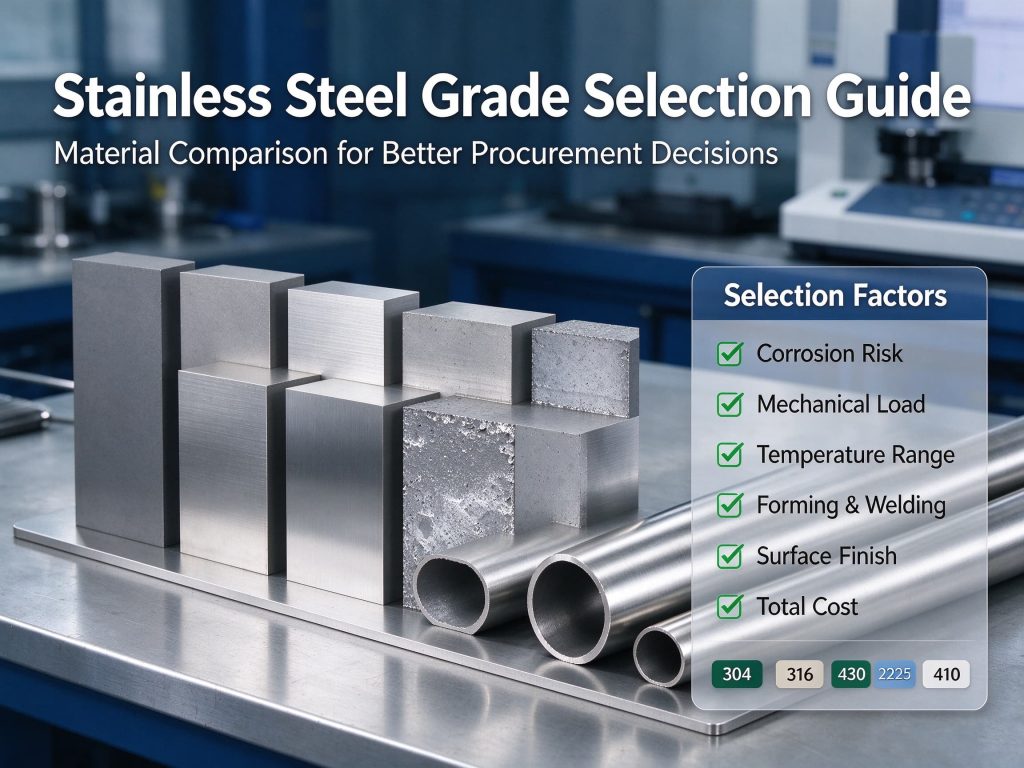
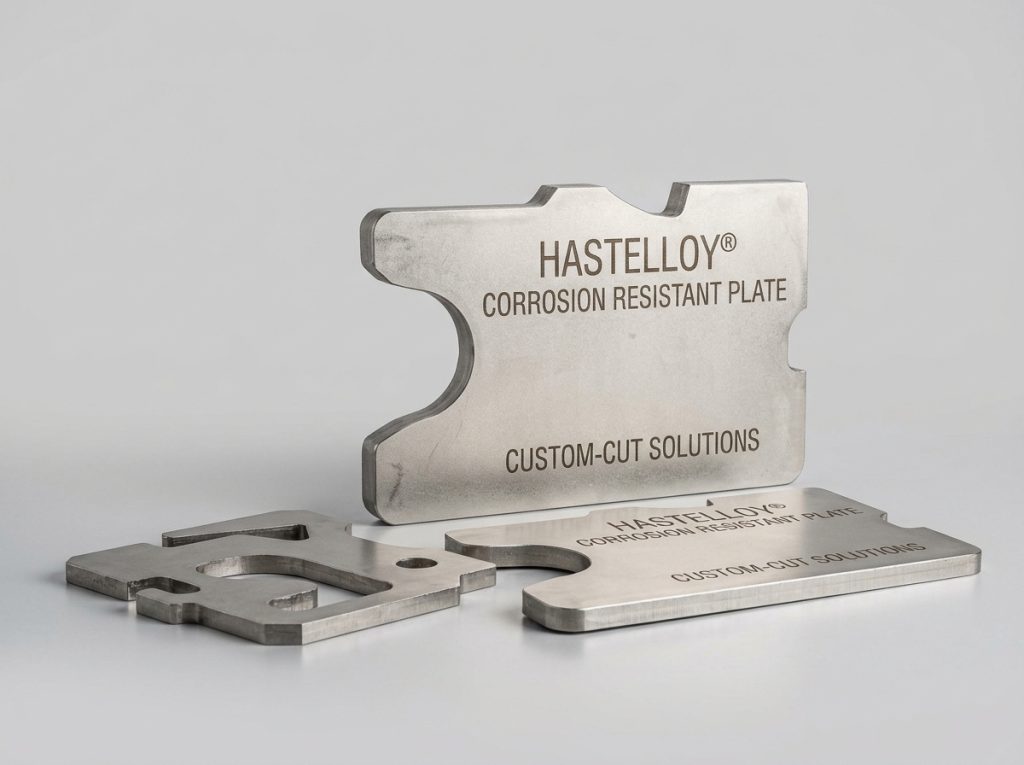
- Grade Compatibility: When determining base metal pairings for complex fabrications, review foundational alloy characteristics using guides like our comparison of Inconel, Hastelloy, Monel, and Incoloy to understand how dilution will impact localized corrosion resistance.
3. Special Considerations for Clad Plate Pressure Vessels
Explosion-bonded or roll-bonded clad plates (e.g., nickel alloy cladding on carbon steel backing) are heavily utilized in chemical reactors and heat exchangers. Welding them requires a specialized multi-step sequencing approach:
- Excavation and Stripping: At joint fit-ups, strip or machine away the corrosion-resistant alloy (CRA) cladding near the joint root to prevent carbon steel contamination from mixing directly with the CRA weld passes.
- Stepped Joint Design: Weld the carbon/low-alloy steel structural backing first using standard carbon/low-alloy steel welding procedures, ensuring complete root penetration without touching the CRA layer.
- The Buttering Pass: Apply a “buttering” layer of nickel-based filler metal onto the exposed carbon steel edge. This isolates the carbon steel from subsequent passes.
- Barrier and Cap Passes: Complete the transition and cap passes using compatible nickel alloy fillers, ensuring absolute purity in environments governed by rigorous chemical processing corrosion guidelines.
4. Thermal Management and Heat Input Control
- Control Heat Input: Keep heat input strictly controlled (low-to-moderate). High heat input increases the molten pool volume, increasing base metal dilution and widening the heat-affected zone (HAZ) grain size.
- Preheat Based on the Hardest Material: Base preheat and interpass temperatures on the carbon or low-alloy steel backing requirements, not the nickel alloy cladding, while strictly respecting interpass ceilings (typically keeping interpass temperatures below 150°C / 300°F) to prevent metallurgical degradation.
5. Critical Pitfalls to Avoid
- Ignoring Dilution Zones: Allowing carbon steel dilution into the root pass of a nickel weld overlay destroys local pitting resistance (PREN value). Always use a buffer/buttering layer when required by design codes.
- Improper PWHT Selection: Performing standard high-temperature stress relief on certain dissimilar joints can trigger severe carbon migration or precipitation of detrimental secondary phases. Verify code requirements (e.g., ASME Section VIII) before applying thermal treatments.
- Contaminating the Fusion Line: Iron particles, grease, or sulfur residues trapped at the dissimilar interface during root preparation will cause localized micro-fissuring. Insist on rigorous mechanical and chemical cleaning prior to welding.