Grade: 420/UNS S42000
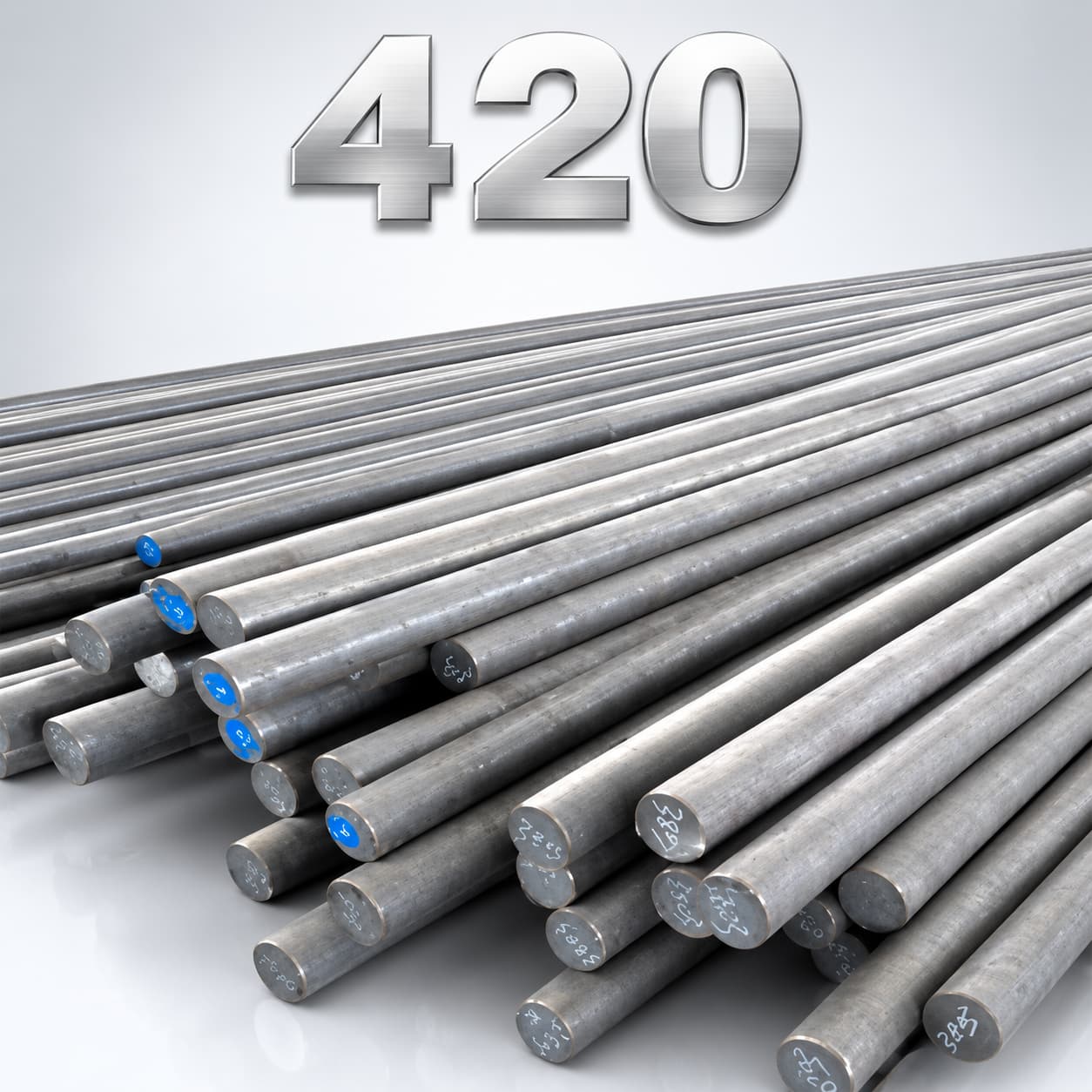
420 stainless steel is a martensitic chromium stainless steel grade designated as UNS S42000. It is a hardenable stainless steel developed for applications requiring high hardness, wear resistance, strength, and moderate corrosion resistance. Compared with ferritic and austenitic stainless steels, 420 stainless steel can be heat treated to achieve high mechanical strength and excellent abrasion resistance, making it suitable for cutting tools, mechanical components, and wear-resistant parts.
The alloy contains chromium as the primary alloying element, typically around 12–14%, which provides corrosion resistance through the formation of a chromium oxide passive layer. The relatively higher carbon content compared with 410 stainless steel allows the material to transform into a hard martensitic structure after quenching and tempering. This structure provides excellent hardness, strength, and resistance to mechanical wear.
420 stainless steel bars are generally supplied in annealed condition for machining and can be heat treated to achieve higher hardness levels. After hardening and tempering, the material provides excellent mechanical properties, good edge retention, and improved wear resistance. It has moderate corrosion resistance in fresh water, steam, and mild atmospheric environments, but it is not recommended for severe chloride or highly corrosive environments.
420 stainless steel bars offer good machinability in the annealed state and can be polished to achieve a smooth surface finish. The material is widely used in industries requiring high strength and wear resistance, including cutlery, surgical instruments, molds, valves, pumps, mechanical shafts, and precision engineering components.
ASTM / JIS / EN Standards
| Standard System | Standard / Grade | Description |
| ASTM | ASTM A276 / A276M – UNS S42000 | Stainless Steel Bars and Shapes |
| ASTM | ASTM A580 / A580M – UNS S42000 | Stainless Steel Wire and Bar Products |
| UNS | S42000 | 420 Stainless Steel Grade |
| JIS | JIS G4303 SUS420J1 | Stainless Steel Bars |
| EN | EN 10088-3 1.4021 | X20Cr13 Stainless Steel |
| DIN | DIN 1.4021 | Equivalent European Material Designation |
Stainless Steel Bar Execution Standards
| Item | Specification |
| Product Type | Round Bar, Square Bar, Hexagonal Bar |
| Manufacturing Process | Hot Rolled, Cold Drawn, Peeled, Ground, Polished |
| Heat Treatment | Annealed, Hardened and Tempered |
| Annealing Temperature | Approximately 730–790°C |
| Hardening Temperature | Approximately 980–1060°C followed by oil or air cooling |
| Surface Condition | Black Surface, Bright Surface, Ground Surface, Polished Surface |
| Dimensional Tolerance | According to ASTM A276 / customer requirements |
| Inspection | Chemical Analysis, Hardness Testing, Mechanical Testing, Dimensional Inspection |
| Supply Condition | Annealed, Heat Treated, Machined Condition |
Chemical Composition (%)
| Element | Composition Requirement |
| Carbon (C) | 0.15 – 0.40 |
| Silicon (Si) | ≤ 1.00 |
| Manganese (Mn) | ≤ 1.00 |
| Phosphorus (P) | ≤ 0.040 |
| Sulfur (S) | ≤ 0.030 |
| Chromium (Cr) | 12.00 – 14.00 |
| Nickel (Ni) | ≤ 0.75 |
| Molybdenum (Mo) | ≤ 0.60 |
| Iron (Fe) | Balance |
Hardened and Tempered Condition (Typical)
| Property | Requirement |
| Tensile Strength | 700–950 MPa |
| Yield Strength (0.2% Offset) | ≥ 500 MPa |
| Elongation | ≥ 10% |
| Hardness | 50–55 HRC (Typical after Heat Treatment) |
| Condition | Hardened and Tempered |
Annealed Condition (Typical)
| Property | Requirement |
| Tensile Strength | Approximately 650 MPa |
| Hardness | ≤ 235 HB |
| Condition | Annealed |
| Industry | Applications |
| Cutlery Industry | Knives, blades, scissors, cutting tools |
| Medical Industry | Surgical instruments, dental instruments |
| Mold Industry | Plastic molds, forming dies, tooling components |
| Mechanical Engineering | Shafts, bushings, gears, wear-resistant parts |
| Valve Industry | Valve seats, pump components, precision parts |
| Food Processing | Cutting equipment and wear-resistant components |
| Industrial Equipment | High-strength mechanical components |
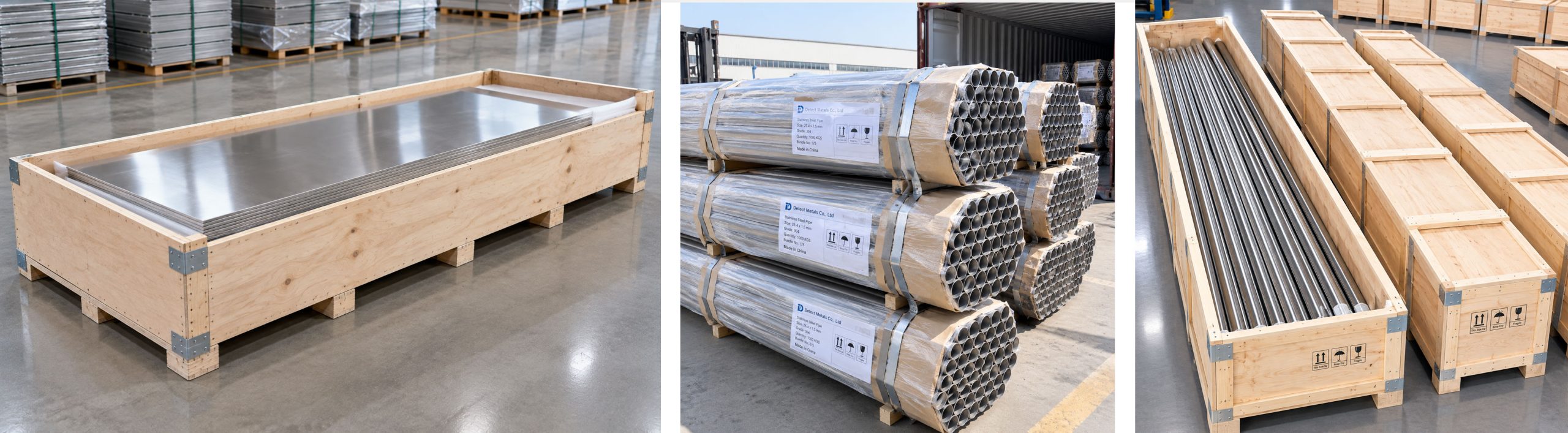
420 stainless steel is a martensitic chromium stainless steel grade designated as UNS S42000. It is a hardenable stainless steel developed for applications requiring high hardness, wear resistance, strength, and moderate corrosion resistance. Compared with ferritic and austenitic stainless steels, 420 stainless steel can be heat treated to achieve high mechanical strength and excellent abrasion resistance, making it suitable for cutting tools, mechanical components, and wear-resistant parts.
The alloy contains chromium as the primary alloying element, typically around 12–14%, which provides corrosion resistance through the formation of a chromium oxide passive layer. The relatively higher carbon content compared with 410 stainless steel allows the material to transform into a hard martensitic structure after quenching and tempering. This structure provides excellent hardness, strength, and resistance to mechanical wear.
420 stainless steel bars are generally supplied in annealed condition for machining and can be heat treated to achieve higher hardness levels. After hardening and tempering, the material provides excellent mechanical properties, good edge retention, and improved wear resistance. It has moderate corrosion resistance in fresh water, steam, and mild atmospheric environments, but it is not recommended for severe chloride or highly corrosive environments.
420 stainless steel bars offer good machinability in the annealed state and can be polished to achieve a smooth surface finish. The material is widely used in industries requiring high strength and wear resistance, including cutlery, surgical instruments, molds, valves, pumps, mechanical shafts, and precision engineering components.
ASTM / JIS / EN Standards
| Standard System | Standard / Grade | Description |
| ASTM | ASTM A276 / A276M – UNS S42000 | Stainless Steel Bars and Shapes |
| ASTM | ASTM A580 / A580M – UNS S42000 | Stainless Steel Wire and Bar Products |
| UNS | S42000 | 420 Stainless Steel Grade |
| JIS | JIS G4303 SUS420J1 | Stainless Steel Bars |
| EN | EN 10088-3 1.4021 | X20Cr13 Stainless Steel |
| DIN | DIN 1.4021 | Equivalent European Material Designation |
Stainless Steel Bar Execution Standards
| Item | Specification |
| Product Type | Round Bar, Square Bar, Hexagonal Bar |
| Manufacturing Process | Hot Rolled, Cold Drawn, Peeled, Ground, Polished |
| Heat Treatment | Annealed, Hardened and Tempered |
| Annealing Temperature | Approximately 730–790°C |
| Hardening Temperature | Approximately 980–1060°C followed by oil or air cooling |
| Surface Condition | Black Surface, Bright Surface, Ground Surface, Polished Surface |
| Dimensional Tolerance | According to ASTM A276 / customer requirements |
| Inspection | Chemical Analysis, Hardness Testing, Mechanical Testing, Dimensional Inspection |
| Supply Condition | Annealed, Heat Treated, Machined Condition |
Chemical Composition (%)
| Element | Composition Requirement |
| Carbon (C) | 0.15 – 0.40 |
| Silicon (Si) | ≤ 1.00 |
| Manganese (Mn) | ≤ 1.00 |
| Phosphorus (P) | ≤ 0.040 |
| Sulfur (S) | ≤ 0.030 |
| Chromium (Cr) | 12.00 – 14.00 |
| Nickel (Ni) | ≤ 0.75 |
| Molybdenum (Mo) | ≤ 0.60 |
| Iron (Fe) | Balance |
Hardened and Tempered Condition (Typical)
| Property | Requirement |
| Tensile Strength | 700–950 MPa |
| Yield Strength (0.2% Offset) | ≥ 500 MPa |
| Elongation | ≥ 10% |
| Hardness | 50–55 HRC (Typical after Heat Treatment) |
| Condition | Hardened and Tempered |
Annealed Condition (Typical)
| Property | Requirement |
| Tensile Strength | Approximately 650 MPa |
| Hardness | ≤ 235 HB |
| Condition | Annealed |
| Industry | Applications |
| Cutlery Industry | Knives, blades, scissors, cutting tools |
| Medical Industry | Surgical instruments, dental instruments |
| Mold Industry | Plastic molds, forming dies, tooling components |
| Mechanical Engineering | Shafts, bushings, gears, wear-resistant parts |
| Valve Industry | Valve seats, pump components, precision parts |
| Food Processing | Cutting equipment and wear-resistant components |
| Industrial Equipment | High-strength mechanical components |