Nickel-based superalloys are among the most versatile and reliable engineering materials ever developed. What makes them indispensable across global industry is their unique ability to maintain structural integrity and corrosion resistance under conditions that would rapidly degrade stainless steel, carbon steel, and even many specialty metals.
From jet engines flying at supersonic speeds to deep-sea oil wells operating under immense pressure, nickel alloys solve problems no other material can. Below, we explore seven critical industries that depend on nickel alloys every day—and why these materials are non-negotiable for their operations.
1. Aerospace
The aerospace industry pushes materials to their absolute limits. Jet engine turbine blades, combustion chambers, and afterburner components operate at temperatures exceeding 1000°C while under extreme mechanical stress. Nickel-based superalloys such as Inconel 718 and Inconel X-750 retain their strength at these temperatures, resist thermal fatigue, and form protective oxide layers that prevent oxidation during repeated heating and cooling cycles. Without nickel superalloys, modern high-thrust jet engines would not be possible.
2. Oil & Gas
Offshore and onshore oil and gas production involves exposure to sour gas (H₂S), brines, high pressures, and corrosive well fluids. Materials used in downhole tools, wellhead components, valves, and pipeline systems must resist sulfide stress cracking and pitting corrosion. Hastelloy and Inconel alloys are standard for critical oilfield equipment, especially in deepwater and high-temperature, high-pressure (HTHP) wells. Monel alloys are also widely used for seawater handling systems on offshore platforms.
3. Petrochemical & Chemical Processing
Chemical plants handle some of the most aggressive media on earth—sulfuric acid, hydrochloric acid, chlorine, caustic soda, and oxidizing salts. Reactor vessels, piping, heat exchangers, and pumps must survive years of continuous contact without corroding or contaminating products. Hastelloy grades like C276 and C22 dominate this sector due to their broad chemical resistance, while Incoloy 825 and pure Nickel 200 are preferred for specific acid and alkali processes.
4. Power Generation
Both fossil fuel and nuclear power plants rely on nickel alloys for their most critical components. In coal-fired plants, superheater tubes and boiler components must withstand high temperatures and corrosive flue gases. In nuclear power stations, Inconel 600 and 690 are used in reactor vessels, steam generators, and control rod mechanisms due to their strength, low neutron absorption, and corrosion resistance. Nickel alloys also play a growing role in concentrated solar power (CSP) systems operating at extreme temperatures.
5. Marine Engineering
Ships, offshore platforms, and coastal infrastructure face constant exposure to saltwater—a highly corrosive environment that causes rapid rusting and degradation in ordinary metals. Monel alloys are the gold standard for marine applications, offering exceptional resistance to seawater corrosion, biofouling, and cavitation. They are used for propeller shafts, seawater piping, pump bodies, valve trim, and hull fastenings on naval vessels, commercial ships, and offshore structures.
6. Desalination
As global freshwater demand rises, desalination plants have become critical infrastructure. These plants convert seawater into drinking water using reverse osmosis or multi-stage flash distillation—processes that expose equipment to high-salinity brines and elevated temperatures. Nickel alloys such as Monel 400 and Hastelloy C276 are used in heat exchangers, evaporator tubes, and high-pressure pumps, where their corrosion resistance directly translates to longer equipment life and lower maintenance costs.
7. Pharmaceutical & Food Processing
In pharmaceutical and food manufacturing, materials must resist corrosion from process chemicals and frequent cleaning with strong sanitizers, while also meeting strict hygiene standards. Nickel alloys offer smooth, non-porous surfaces that are easy to clean and do not leach contaminants into products. Pure nickel and select Hastelloy grades are commonly used for reaction vessels, piping systems, and processing equipment in plants producing pharmaceuticals, fine chemicals, and food ingredients.
The Common Thread: Reliability Under Extremes
What unites all these industries is a need for materials that perform reliably when failure is not an option. Nickel alloys deliver that reliability—and that is why they remain the material of choice for the world’s most demanding engineering projects.
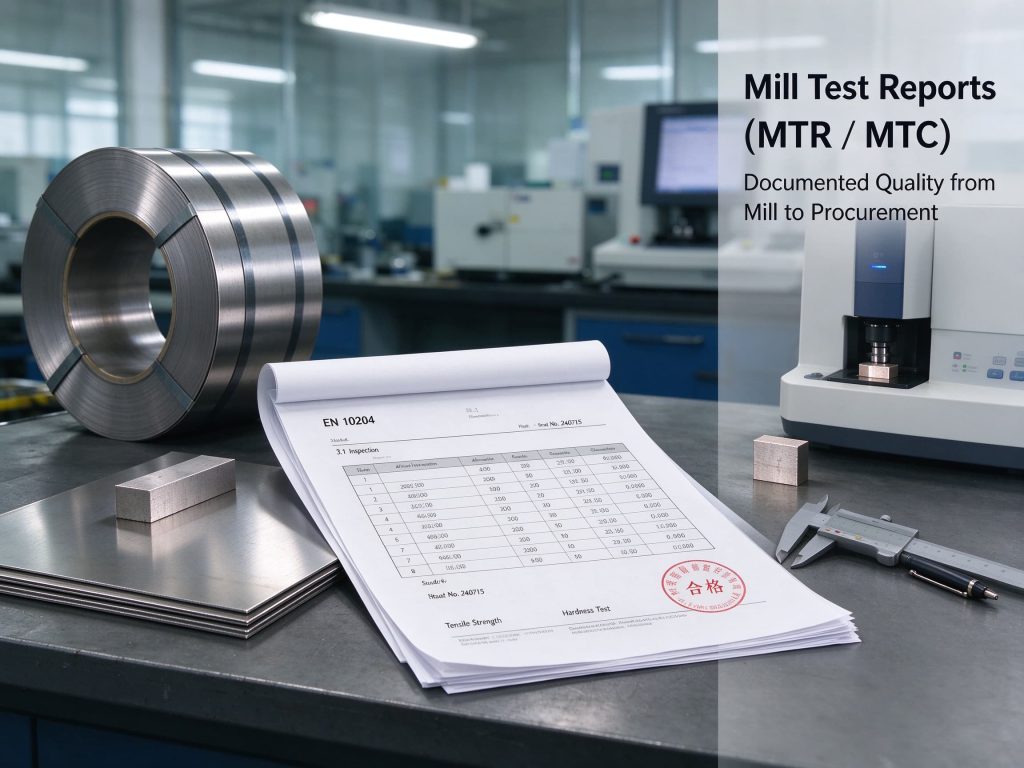
Detect Metals supplies nickel alloy materials to all of these industries worldwide, with full mill test certificates, custom fabrication capabilities, and competitive wholesale pricing. Whether you need a single prototype bar or a full container load of seamless tubing, we have the inventory and expertise to support your project. Reach out to our team for a customized quote.